
Most conversations about struggling high streets begin with a list of losses: the empty units, the falling footfall, the bank that closed and the chains that have left. Then come the consultations, asking residents what they would like somebody else to bring back.
In her written evidence to Housing, Communities and Local Government Committee’s Revitalising High Streets Inquiry Kindred’s co-founder and Executive Director Erika Rushton suggests we start elsewhere – with a single question: “Who is already trying to make something happen here and what would enable them to do more?”
Six years of investing in socially-trading organisations across the Liverpool City Region have given Kindred a clear answer. Places often described as having ‘failed’ high streets are full of entrepreneurial energy. What they lack is affordable space, the right kind of money, patient support and a way of keeping the value they create in the communities they are part of. Kindred’s own figures show that 77% of the organisations it works with need property in order to grow.
Inviting action – rather than opinion
Kindred’s Ideas Festivals ask people what they are already doing and what is holding them back, then follow up with investment, support and space. At least a quarter of the ideas surfaced are not only viable, but they are also capable of high growth and together they take the space big businesses have left, provide unique place identity and attract others. More than 90% of the businesses that result are home grown rather than relocations from elsewhere.
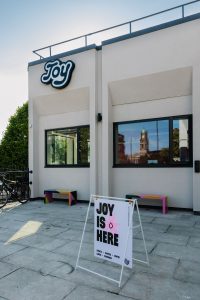
Birkenhead shows what can happen next, where investment in five STOs grew into a network of 19. Empty buildings came back into use, parks and public spaces came to life, and other independent businesses followed. Co-working spaces in the town now lose tenants who move on to premises of their own nearby and the studios and workspaces they leave are filled straight away.
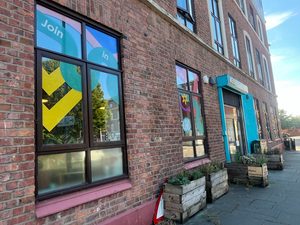
Erika describes these networks as ‘anchor communities’: small, locally rooted enterprises that together give people reasons to visit, trade, work and stay. Baltic Creative, where she was founding Chair for ten years, applied the same thinking to a derelict industrial corner of Liverpool. The area is now home to around 700 home-grown businesses and 3,000 jobs, sustained over 15 years, and created for a total public cost of £4 million.
What would help?
The evidence sets out nine proposals for government. Among them are an open call to replace consultation in high-street programmes with an invitation to act, an end to refurbishment being taxed more heavily than new build, business rates reform where markets have persistently failed and a stronger ‘use it or lose it’ principle for commercial property left empty. It also makes the case for community-owned and purpose-locked property vehicles, including Liverpool City Region’s Social Investment Pathfinder community property HoldCo, so that the value local people create stays in their neighbourhoods - for good.