
Putting down roots: how Grow built a business from the ground up
Duane Chong founded Grow Wellbeing in 2018, alongside his partner, Angela Samata, to focus on “work around community development, social impact and nature-based interventions,” he says. For the first two years it was predominantly Duane at the helm, supplemented by another forest school assistant and a handful of volunteers. Grow delivered sessions in schools and slowly built partnerships across the region, with organisations like the YMCA, local housing associations, Wirral CAMHS team and Barnardos Young Carers.
It was steady, patient groundwork but it was also, by Duane’s own account, unsustainable in the long run. “I was still the principal delivery person for our activities and – before we got Kindred investment – I was doing the marketing, I was doing the bookkeeping, I was reaching out, I was doing the networking – all the things that sole traders do,” he admits.
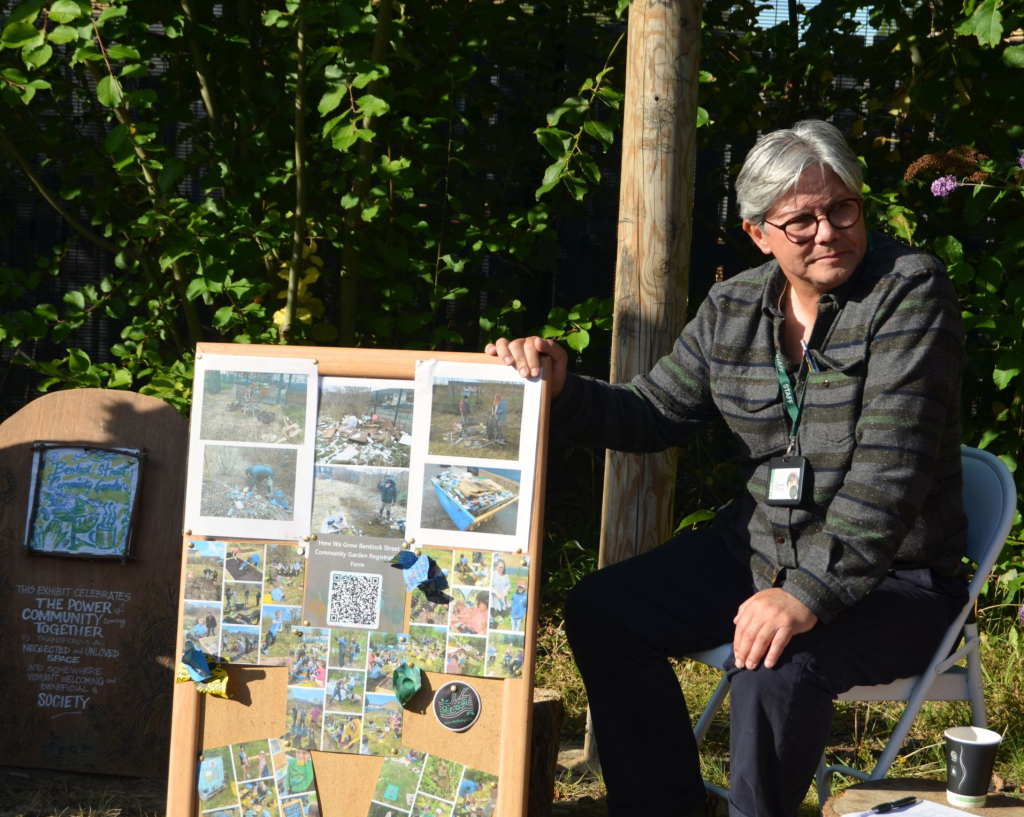
The arrival of investment from Kindred changed the trajectory of the organisation. By that point, Grow already held a contract with Lifelong Learning to deliver workshops across 20 schools and had been engaged by Mersey Forest to deliver part of a nature learning programme across the north west. The demand was there – what was missing was capacity.
“We asked for funding that would enable us to employ a project coordinator for 12 months, a bookkeeper and a forest school leader, that we could offer regular hours to for a year,” remembers Duane. The investment came with a portion of the repayment due via social returns, making Duane candid about weighing up the risk. “I took confidence from Erika and Nicola – and others – about Kindred’s ambitions and its ethos and principles,” he says. “That made me think there is a risk involved in this… but it’s a risk worth taking.”
Five years on, the results speak for themselves. Grow now employs four full-time staff and six other delivery staff, supported by four or five regular freelancers. “We’ve seen growth year-on-year, which is high growth,” Duane says. The relationship with Kindred has also become reciprocal: Duane has sat on money panels since 2022, drawn by a sense that “it’s not just a commercial transaction. Kindred was invested in us doing well and I feel like I’m contributing to the network and to the development of the ecosystem.“
The challenge: land
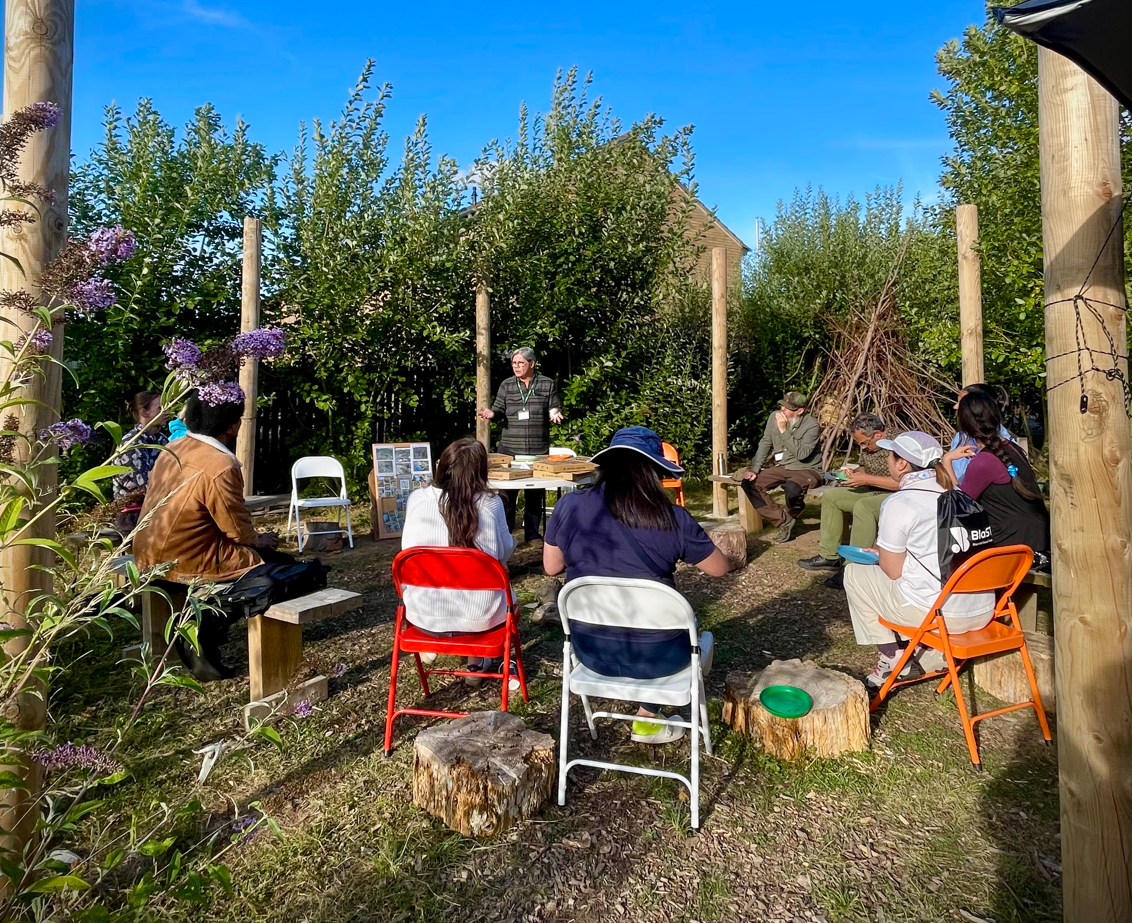
Growth has brought a persistent constraint into focus: access to land to deliver its nature-based activities. Grow’s only outdoor site with a legal agreement is Bentinck Street, council land that was passed over from another charity. A 19-year lease now gives Grow scope to fundraise against the site and to run community gardening, training and engagement projects there. Not only does this make STOs more resilient, but brings benefits – and costs savings – to Wirral communities and, longer term, to the public purse, via its impact on health and wellbeing.
After nearly two years, Bentinck Street Community Garden has a core group of long-term volunteers, “70% are very local,” says Duane – and has recently hosted a Pride in Place community engagement day and a BlaST Session on climate change and urban food growing.
But one site isn’t enough for an organisation with Grow’s ambition. An application for a lease on a field adjacent to Grow’s forest school site at Bidston Hill, first submitted in 2022/23, remains unresolved. “It was a response to the council’s own call for community proposals – it’s so frustrating,” admits Duane. “I’ve revisited it recently and I’ve put another expression of interest in.” Grow has also enquired about a further patch of land across the road from its Birkenhead office space, with no response so far, aiming to revitalise and bring back into use land that others have been unable to.
The frustration isn’t simply about square footage – it reflects, in Duane’s view, a gap in understanding about the value assets bring to organisations like Grow. “I think there’s a lack of understanding of how significant it can be for STOs like ours to have land that we can use to fundraise against and provide increased community activity and social impact. The Heseltine Institute research shows how organisational sustainability improves when STOs hold assets.”
The opportunity: strategic influence
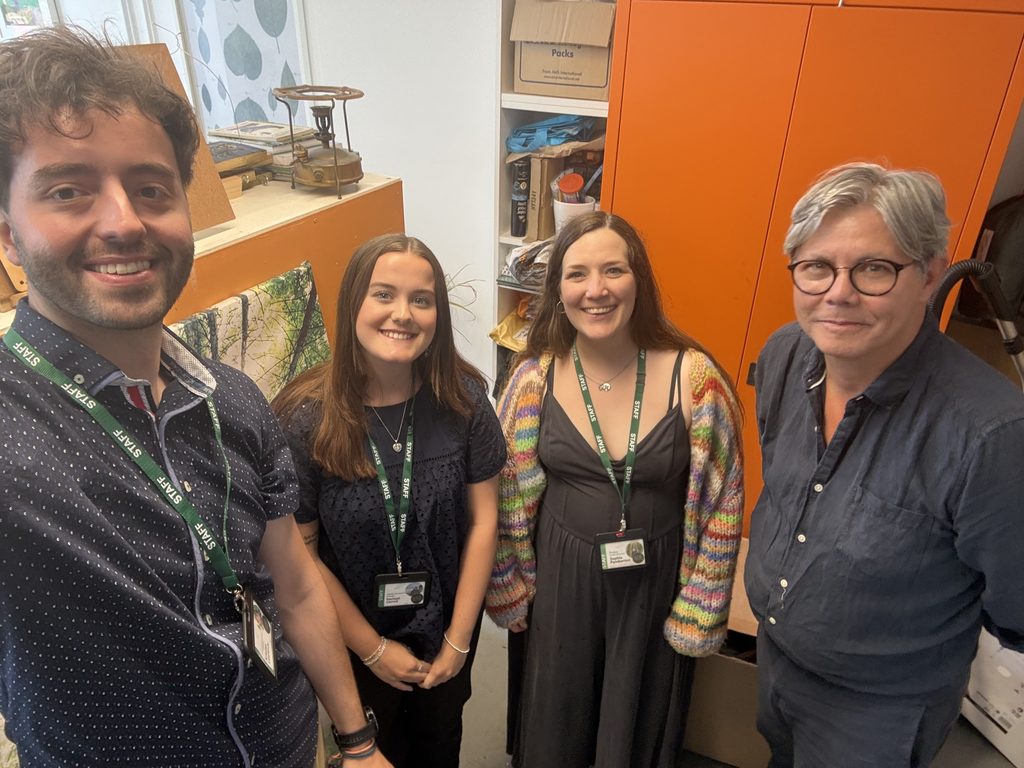
Beyond the day-to-day delivery, Duane has taken on a growing role shaping the wider ecosystem, a trait increasingly followed by maturing STOs, who are moving beyond delivery into influential strategic positions. He sits on the Nature Connected board for Liverpool City Region and the Local Nature Recovery Strategy delivery group; has joined Birkenhead Central’s Pride in Place board and leads the Wirral Food Growers Network and Feeding Wirral Partnership, both of which seek to address food insecurity issues through co-operation and increasing food production. His consistent contribution has been to keep people, not just environment, in the conversation. “I’m talking about nature, and the health and wellbeing of people accessing green spaces. We’re in a climate crisis – the more people we have engaged in nature, in green spaces, who recognise the value of them as well, the better,” he says.
This influence is real – and beneficial to Grow’s growth – but neither does it come for free. “Those initiatives may come to fruition sooner or later but, at the same time, this business is paying me. Where does the money come from for that? What projects are paying me to be involved in structural sector development?” It’s a tension familiar to many STO leaders: the strategic, sector-shaping work that strengthens the ground an organisation stands on is rarely funded work in itself.
Grow’s ambitions extend well beyond its current footprint: a nature learning hub, a long-held plan for a forest school nursery and an interest in an old school building, with a working estimate of £250,000 needed to make the vision real. It has, in Duane’s words, already “proved that we can pay back investment.” The next challenge is finding the assets that let it grow into what it already knows it can become.