Wirral-based STOs cluster to secure £11.8m additional investment.
The pre-Kindred pilot, Wirral’s Festival of Beautiful Ideas, created a vital early spotlight on Birkenhead and its potential as a creative-led, socially-trading cluster. Wirral Council and Wirral Chamber of Commerce commissioned the programme, creating an investment pot of £12,000.
The programme, in April 2017, brought people together to share ideas for making Birkenhead a better place to live and work. Craig Pennington, founder of community music venue Future Yard, took part in the Festival of Ideas as a facilitator, before the Wirral New Music Collective was one of the ideas funded. He explains how it began: “It was simple, really. We asked who were the protagonists? Who really, really believed that Birkenhead could use music and the story it tells about itself to change what Birkenhead means in the world? It was pulling those people together – some who still lived here, some who’d moved away – and having a conversation.”

The pre-Kindred pilot created a space to bring people together and imagine something better, using microgrants as a catalyst for those ideas. From that, the New Music Collective shared £3,000 to run a series of shows. “The New Music Collective was very much, ‘let’s do a run of shows’ – I’m still a strong advocate of microgrants to get something started,” says Craig. The Collective tested the water with Future Now Festival before, just three and a half years later, Future Yard, the product of Wirral New Music Collective’s vision, opened on Argyle Street.
Early recognition from the council of the power of cultural organisations in the town was vital. Craig says: ”It wasn’t a conversation with the council about culture for culture’s sake. It was about how music could drive regeneration and the economy. That was the change.”
As the industry talked about ‘Music Cities’, and the power of culture to shape places, Birkenhead built its own grassroots version. “If you anchor your regeneration framework in a permanent asset like a music venue, you can change the narrative about your town. You can tell a different story about who you are,” he adds.
Make CIC, which gained a meanwhile space in the council’s former Treasury Building as part of the Beautiful Ideas Festival programme, has now moved into its forever home, too. It bought a building next door to Future Yard in 2024, with money from Birkenhead’s £29m Town Fund allocation. Open Door Charity is opening Make’s former home as its Joy building.

Eleven Birkenhead-based STOs have collectively-received more than £700,000 investment from Kindred across three cohorts and a £29m investment in Birkenhead from the Towns Fund has been spearheaded by the social traders.
Next, attention turns to the streets outside the venue. With new cycle lanes, pedestrian crossings and lighting on the way, the Argyle Independent Quarter is taking shape as a creative, independent part of town. “In ten years’ time, it’ll be a completely different place,” admits Craig. “And it’s really important that it stays a designated area for arts and culture in the local plan.”
Future Yard has been joined by Make, Joy, Make It Happen and Start Yard to work with Wirral Council, create a manifesto and encourage food vendors, creative spaces and community businesses to cluster in what it calls an ‘urban village of creativity’.

Their links with Kindred were vital, says Craig: “All but one or two of us have been on that Kindred journey together. We’re all cut from the same cloth. We’re there to deliver on social outcomes as well as provide financial stability and sustainability and working collaboratively has been there from the start. It’s placemaking and regeneration as much as it’s cultural development.”
Social investment from Kindred was critical in taking Future Yard from dream to reality. “Kindred’s been absolutely transformational in every sense,” says Craig. “The money was important – at the right moments it made the difference – but it’s more than that. It’s a view of the world. There’s a real confidence from being surrounded by peers who are trying to achieve similar kinds of things as you, within their own discipline. It’s painting a picture of the possible,” he says.

The emergence of the Argyle Independent Quarter demonstrates the maturity of Birkenhead’s STOs, which have taken a lead in supporting other social businesses.
Their impact over the past five years has been remarkable. Wirral STOs have grown their combined turnover from £912,584 to £2,556,558 – and have created 76 new jobs. Their work demonstrates what's possible when social and creative enterprises cluster in areas where property needs new purpose.Their work demonstrates what's possible when social and creative enterprises cluster in areas where property needs new purpose.
Every place has its own unique set of skills that makes that place different – not every district wants a Tesco Metro any longer and towns and areas want to be known for the things that make them different.
We're currently working in St Helens at Street and a Half and with an amazing cluster of alternative CreativeCare providers in Knowsley; in Halton a recent Ideas Festival highlighted a network of people with ideas, whereas in Sefton our job is to support organisations like Safe Regeneration, Expanding Horizons and Sefton Council by matching growing social businesses to surplus space.
In Liverpool too, there is now a network of STO-run spaces spanning the city, while BlaST offers Liverpool and the wider region a steady stream of Black and minority ethnic entrepreneurs who have demonstrated that, with the right money and space, they grow at 45% year-on-year.
Each place, each cluster, has its own identity and is a rich source of jobs and innovation. As the region reaches for growth, home grown social entrepreneurs are making sure Liverpool City Region’s communities are connected and part of it.
Vauxhall Health Centre in north Liverpool is a good example of how a small amount of financial support from Kindred and peer support from the STO community has embedded a vital idea what tackles, health, wellbeing and loneliness.
In north Liverpool, Vauxhall Health Centre (VHC) has set up a community garden for its patients, staff and volunteers, with support from Kindred. “We put a simple proposal to the partners, knowing that Kindred would match it,” says Dr Barry Green, one of two GPs at the practice with responsibility for the garden.
This microgranting model allows Kindred to support community activity to try new ideas, with STOs providing peer support and expertise though the social prescribing cluster.
The money was enough to start the practice with a bench, storage, a greenhouse and two raised beds and it began advertised for volunteers – four or five regulars now tend to the garden on a weekly basis.
Kindred recommended a connection with Bootle-based Gateway Collective, which has provided a range of expertise and events. “It’s a good model for any new startup project to be linked with an established community garden – with people who know what they’re doing and their expertise,” says Barry. “Ali or Jan [from Gateway] came every month through the winter to do a seasonal workshop, whether it was jam making or apple pressing, seed bombs or Christmas wreath making. It really tied everything together.”
The garden’s volunteers are a mixture of patients and local community members. “It’s particularly aimed at patients,” says Barry – “to get them out in nature; hands in the soil and knowing about what healthy food is. Plus all the benefits of green space – community, socialisation and specific health benefits. There are also gains for staff morale and even people walking past, to see a flower in an area where there’s not very much green space. The tree equity score around here is about 35 out of 100.”
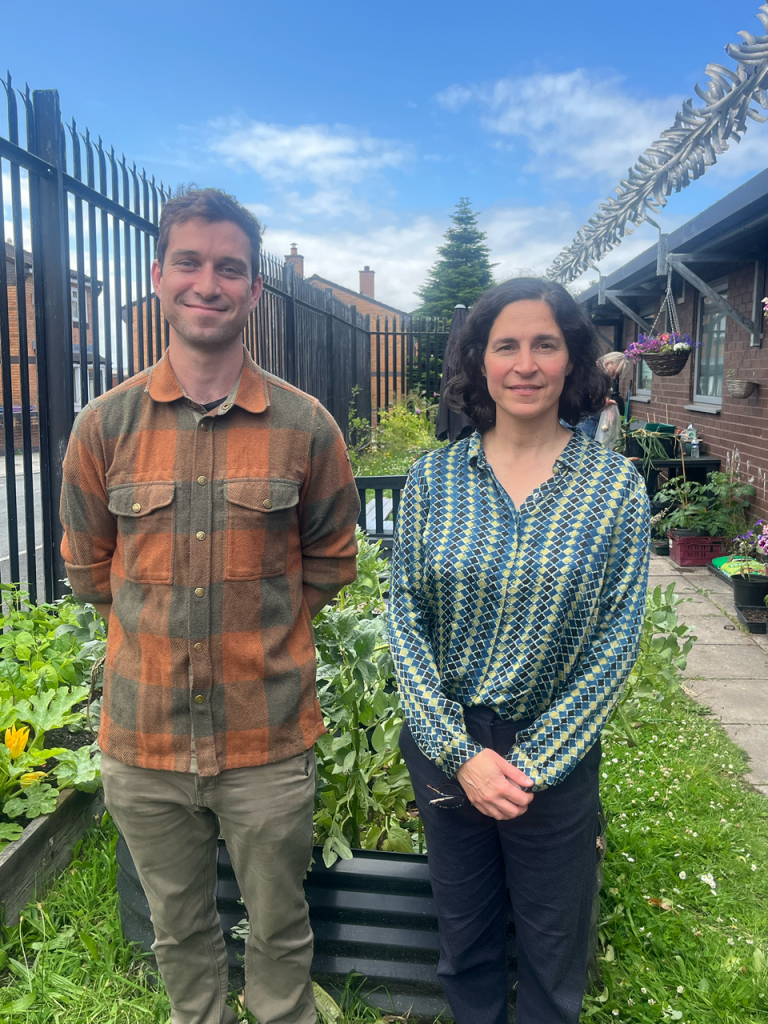
Now, VHC is starting to build links with other organisations, including the NHS Forest, which helps healthcare sites to transform their green space for health, wellbeing and biodiversity, the Mersey Forest and Myerscough College (through gardener Nina Dale) and its local primary school, whose students comes to play games and learn more about the natural world. The League of Welldoers, next door, is Liverpool’s oldest independent charity. “We’re networking with other local support groups,” says Barry, “so we’re trying to tie it all together locally, with walking groups. It’s a way to help us talk to each other effectively.”
The garden is full of familiar products – “things people will eat: onions, beans, peas, tomatoes, potatoes… We grew kohlrabi last year,” he says. “And we have plans for a green wall with jasmine, passion flower and clematis. Community growing spaces reduce pollution, run-off and the urban heat effect.”
Barry’s colleague, Dr Nadja van Ginneken, is a GP at the practice and is responsible for sustainability across Central Liverpool Primary Care Network (PCN). “We know there are potential wider community impacts – not just for North Liverpool, but across Liverpool City Region and Cheshire,” she says. “For us, it fits with the prevention pledge and the ‘anchor framework’, which looks at how practices can best deliver not just day-to-day care, but do the best for the communities that they’re living in.”
Five other practices within the PCN have now also set up gardens, and Nadja has accessed funding through Liverpool John Moores University and organised a collaboration with Liverpool City Council. “In Liverpool, there’s no other surgery doing this except the ones that we’ve networked through,” she admits. “Some have been donated trees from the NHS Forest – but no-one else has yet set up a garden with a gardening group. Suddenly, things like this start to knit things together and join some dots,” she says.
Kindred has also supported the team to create a toolkit to share with other practices, to help them get gardens started. “To have a community garden for patients to go and exercise and spend time is great,” says Barry. “We’ve made a little logo called Growing Health, Liverpool. So hopefully other practises – and we’ve got a few in our network – will sign up. It has to be an organic thing.”
“We’re running sustainability walks, called the Vauxhall Ventures,” adds Nadja. “It’s a walking group for patients that started a few weeks ago with the health coach here. And there’s tea and toast that happens here on a Friday – that’s mainly been indoors so far, so we’re going to encourage them to come outdoors
as well.”
Feedback from patients – while in its early days – has been overwhelmingly positive, supporting community events and practice open days. The PCN’s impact prompted a bid to the regional Integrated Care Board, with Greener NHS providing £20,000 to start ten pilot projects across the region last year: “Not just gardens, but asthma, de-prescribing and period poverty projects,” says Nadja. “One of those pilots, in Tuebrook, has been able to show people reversing their diabetes – coming off medicines because they’ve cured their diabetes with this approach, in just six months. The results have been fantastic. It’s a very bottom-up approach.”
Brazuka (which trades under the name Katumba) develops intercultural learning, artistic exchanges and projects within communities in the UK, Brazil and internationally. It runs the community-based drumming and movement project Katumba, which fosters mental health and wellbeing in local communities.
Its initial pitch for money to Kindred was designed to establish new Katumba communities across the country, replicating the Liverpool events model, alongside resources to support this expansion. However, through the process, the team realised the importance of strengthening its internal structure first. This led to an inward focus – hiring a manager, refining policies and embedding more sustainable business practices.
As part of this shift, Brazuka introduced outreach and training programmes to empower more people to lead workshops and events and reduce the load on the founders. Authenticity remains central to its mission, particularly in carnival arts, deepening connections to its Afro-Indigenous heritage.
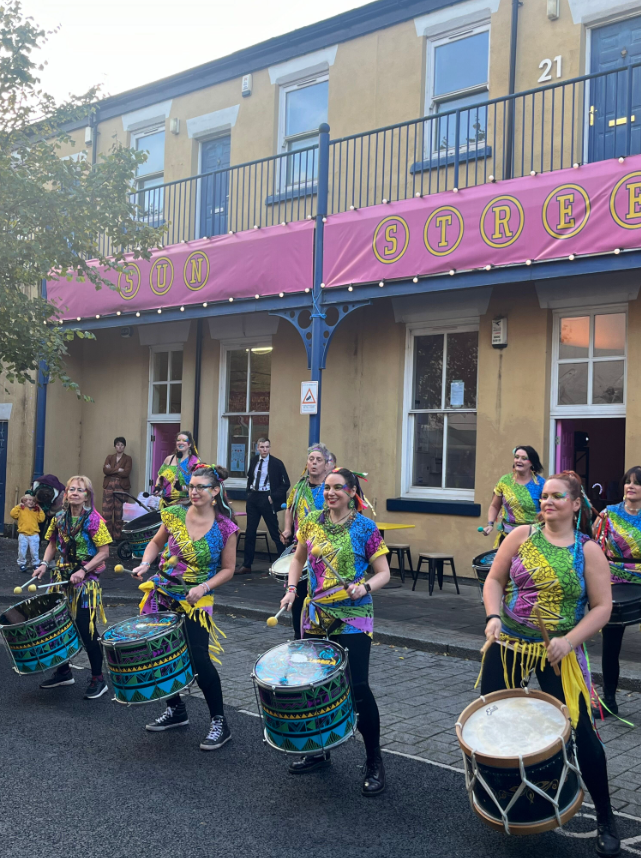
Prior to investment from Kindred, funding was competitive, bureaucratic and time consuming, with limited access to flexible investment. Its restrictive, project-based nature made long-term planning difficult, impacting growth. Co-founder Juliana Landim says: “We’ve been able to really see where we were, where we are now and where we need to get to. Having someone on our side to work out what we need to do next has changed our attitude to money immensely. It’s a mark of confidence in the business.”
By securing money from Kindred, rather than restricted funding, Katumba has been able to focus on strategic growth, building internal capacity, hiring essential staff and developing robust policies. This shift allows it to strengthen community’s involvement, ensuring that underrepresented groups play a role in shaping the work that directly affects them.
Cultural immersion trips to Brazil allow the team to reconnect to their Afro-Indigenous roots and the community to experience the origins of the music and dance they practise. These trips also support sustainable social economies in Brazil, provide CPD opportunities and deepen the understanding of carnival’s healing and cultural significance.

With its internal structure strengthened, Brazuka is now focused on maintaining sustainable growth. Rather than expanding rapidly, it is taking a staged approach – building a more robust team, planning long-term and ensuring financial stability. The process of understanding financial sustainability, combined with external belief in their potential, has given them confidence to continue growing.
Brazuka’s impact is clear – improving mental wellbeing, increasing self-confidence and providing a sense of belonging by centring underrepresented communities, ensuring they feel heard and celebrated. With an engaged and invested community, the organisation is in good shape to make a lasting, meaningful impact.
Adding Value provides specialist financial support to socially-trading organisations (STOs), helping them grow and make better financial decisions. Based in Merseyside but working nationally, its reputation has been built purely through client recommendations and word of mouth and its rapid growth reflects a real demand for services. The team is a trusted advisor, known for its values-led approach and commitment to long-term partnerships.
Many STOs struggle with financial management because mainstream accountants focus on profit-driven businesses and often charge high fees when clients are struggling, and need their expertise the most. This creates a cycle where organisations lack financial confidence and struggle to scale effectively. Investment from Kindred gave Adding Value the working capital to employ additional staff ahead of new business: “Kindred’s support has helped accelerate our growth by investing in staff before we’ve won work from clients. The alternative is operating hand-to-mouth and never being able to do that development,” founder and chief executive Matthew Brown
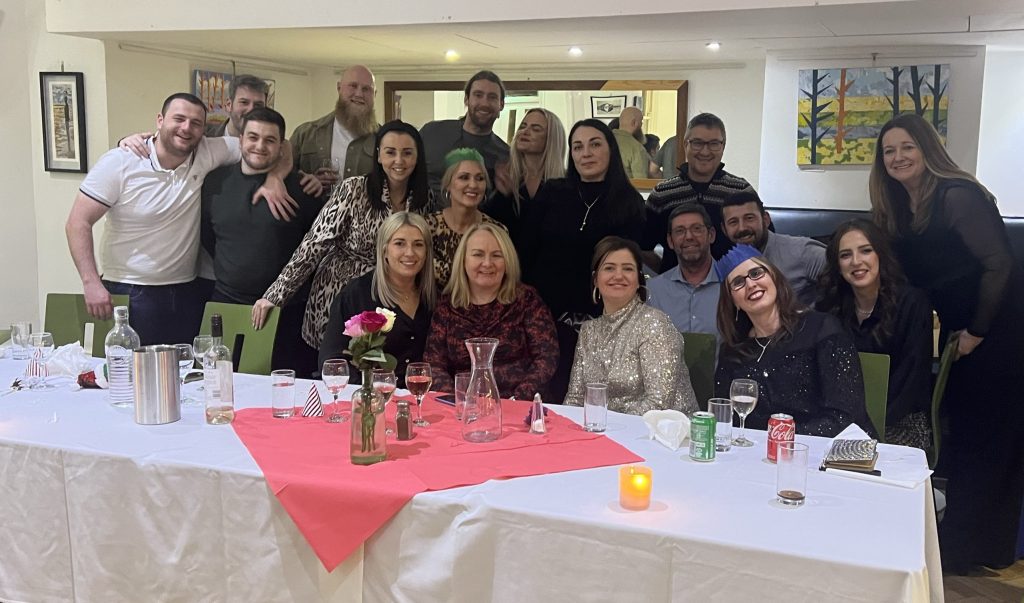
Adding Values offers a different model – specialist financial support tailored to STOs, with flexible, fixed-fee pricing. Their services include financial planning, cashflow management, business coaching, and investment support. Focusing on long-term relationships rather than one-off transactions, helps clients move beyond day-to-day financial firefighting and into strategic decision-making and their own journey mirrors that of their clients.
Resilience is central to the Adding Value model, which works as a cross-covering team. If one team member is unavailable, others step in – making them a more stable, knowledgeable option for STOs. Clients report increased confidence in managing their numbers, making better strategic decisions and securing new funding. By offering business coaching alongside financial services, they empower STOs to achieve sustainable growth.
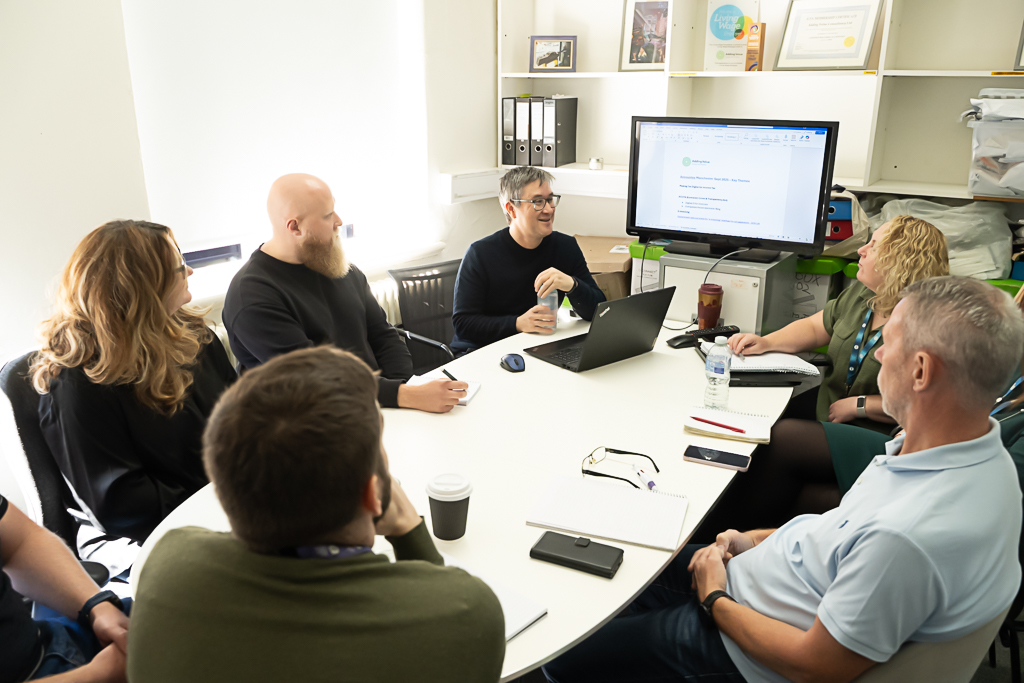
Kindred investment has supported them to grow revenue by over 40% per annum for the last five years and has supported the creation of 12 new jobs. More recently, they acquired a book of accountancy practice work with support of a loan from Key Fund in order to diversify sources of income. However lack of working capital is a constraint to high-growth organisations.
Looking ahead, Adding Value’s future growth is focused around supporting more STOs with their finances, developing social value reporting structures, exploring broader corporate support services for STOs, creating training pathways for new accountants, and developing a financial education offer for STOs.
Other plans include achieving B-Corp status to reinforce its commitment to ethical business practices and to become a powerful advocate for the social economy, giving it a voice nationally. Adding Value’s ambition is to become one of the UK’s top 100 accountancy firms, demonstrating that finance can be a force for good in the social economy.
Make CIC is home to over 130 makers across Liverpool City Region with spaces in Birkenhead, Liverpool’s North Docks and Huyton Village. It provides a place for makers, creatives, independent businesses and social enterprises to ‘turn their passion to prosperity’, with flexible space alongside support.
The ‘Made by Make’ programme commissions work from local artists to create installations for clients nationwide. This supports Make and its community, creating jobs for a hyperlocal workforce, feeding social businesses in the supply chains of larger organisations, encouraging collaboration and reusing materials. Recently, Make purchased its first building, moving from a meanwhile space to a permanent home in Birkenhead.
Socially-trading organisations (STOs) operate in a financial landscape where property-related costs vastly outweigh revenue. For example, Make turns over approx. £500k annually, and the purchase of its Birkenhead building cost £2m to develop. With an average annual surplus of just £10k, it would take 200 years to accumulate enough reserves for the project. This makes social investment crucial.
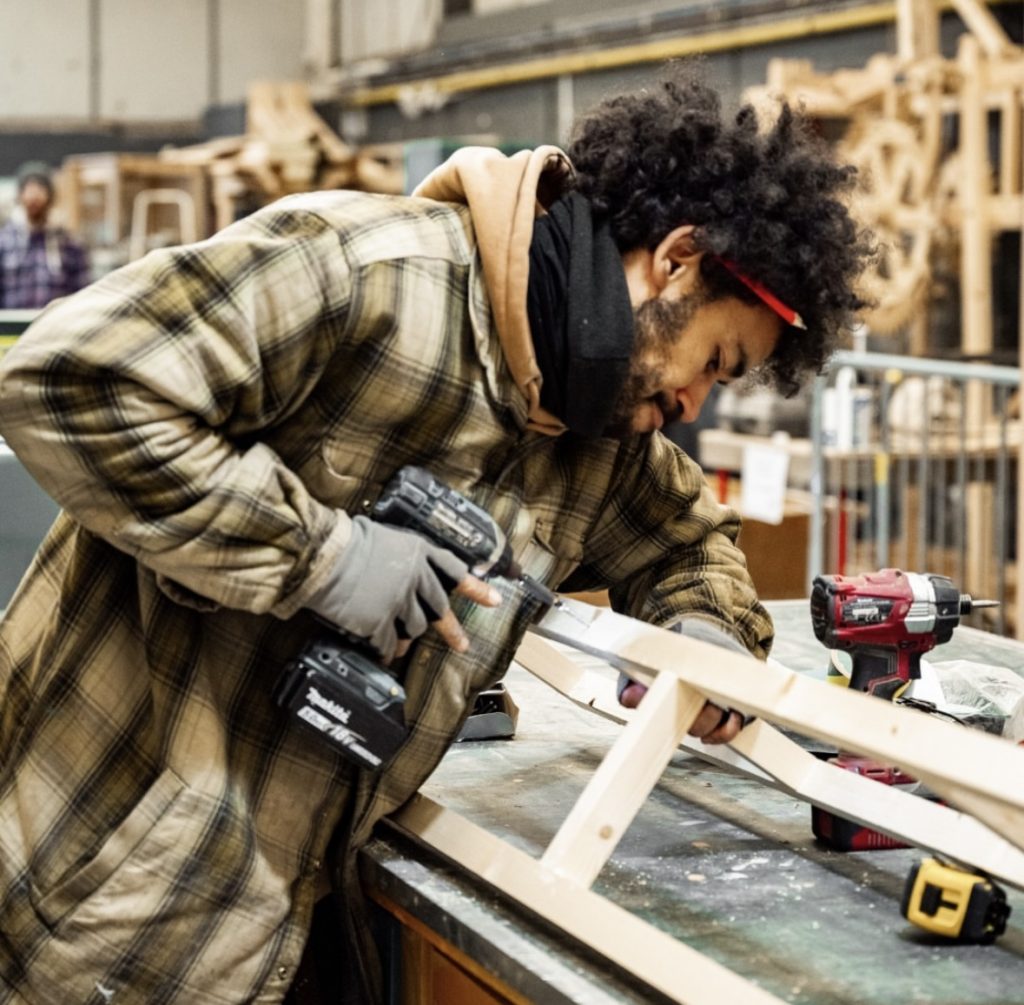
Make’s priority is accessibility through affordability. Raising rent contradicts its social mission, so instead it leverages external funding to cover its annual deficit of approximately £100k. Nonetheless, demand for space is overwhelming, with three times more requests than availability. Owning property unlocks more favourable lending terms, but securing long-term finance is complex.
Ownership isn’t just about stability for Make – it changes perceptions within financial markets. Kindred’s interest-free, patient loan is an exception, as traditional lenders scrutinise organisations without assets, making borrowing more expensive and sustainability harder to achieve. A revolving credit facility with Key Fund has already improved Make’s position, but greater asset ownership would make operations significantly cheaper – and create more impact.
Without ownership, ageing properties become liabilities rather than assets, draining revenue through maintenance costs. Long-term viability depends on securing structural investment, but without assets, STOs struggle to access it. This issue didn’t matter five years ago, but as Make scales, it has become critical.
Make’s model differs from traditional business because it doesn’t generate large surpluses. In the social economy, risk is defined by the inability to generate profit rather than the ability to pay back loans – this structural issue limits access to money.
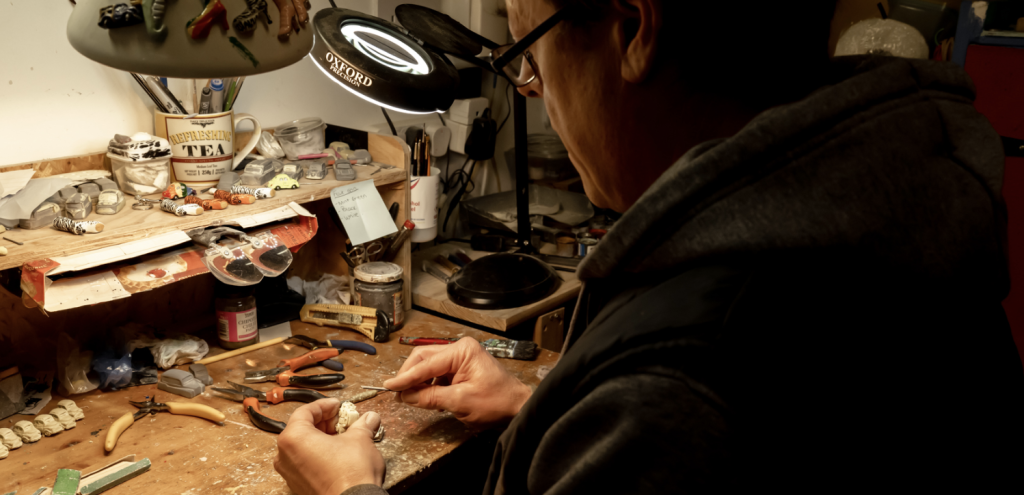
The goal is to replicate Make’s Birkenhead model with new projects, including securing ownership of Make Huyton. Currently operating under a short-term peppercorn lease with the council, Make must now demonstrate demand to attract public funding and buy the property. The investment required – £3-£4m – is relatively small in government terms and could be acquired through grants and strategic financing.
Make plans to expand using the ‘wash, rinse, repeat’ model it’s demonstrated in Birkenhead, moving from temporary to permanent spaces. Its approach is based on turning evidence into action – demonstrating demand and using that data to secure funding. A key opportunity lies in the North Docks creative cluster, where Make can collaborate with similar organisations to optimise production, performance and experimentation spaces. By working with partners who have complimentary strengths, Make’ can grow strategically rather than duplicating current facilities.
A similar opportunity exists in Huyton, where it currently operates a temporary space. Make already has more financial security than most arts organisations, yet the sector is known for its short-termism. It plans to break this cycle by building a model that fosters long-term sustainability rather than rapid but fragile expansion.
PLACED specialises in education and engagement around ‘place’ and the built environment, facilitating knowledge and community insights for developers, regeneration specialists and the public sector.
“Everyone’s an expert when it comes to the places where they live, work or spend time,” says founder Jo Harrop. Its work supports people who are traditionally underrepresented to have their voices heard, creating meaningful conversations around the built environment that shape the places we live and work, while supporting and mentoring young people through education programmes that break down barriers to jobs in the built environment.
PLACED is high growth, increasing turnover by more than 40% since investment. Initial investment of £28,000 was used to develop a new website and communication strategy to strengthen its positioning, and the recruitment of an administrator. This involved refining messaging, updating narratives and clarifying objectives to ensure alignment across the team. That investment – alongside corresponding external development – has resulted in steep growth over the last four years: the team has grown from four to eight staff, plus freelance support, reflecting its evolution and increased capacity.
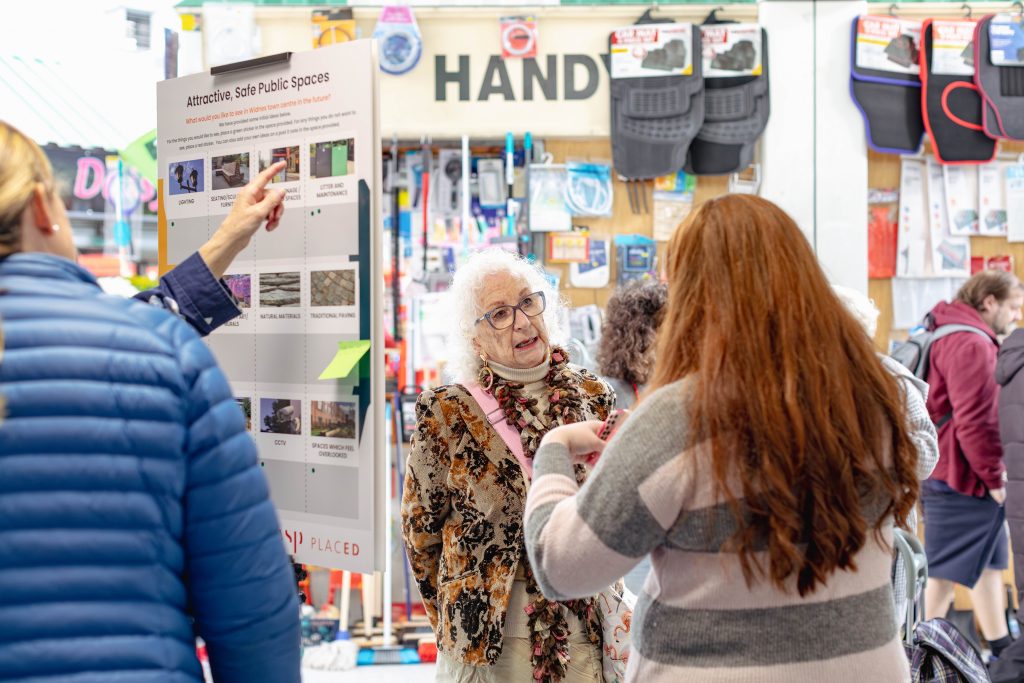
Previously, PLACED faced several challenges. Messaging lacked clarity, making it harder for new team members and external stakeholders to understand the value of PLACED, and administrative burdens placed a strain on Jo’s leadership. And externally, the landscape was shifting, too. Post-Covid, the demand for engagement has surged. PLACED needed to position itself effectively to capitalise on this shift, while safeguarding sustainable growth and long-term impact. PLACED’s investment has made it easier to attract opportunities and articulate its value and the website redevelopment played a crucial role in reinforcing credibility. Additionally, having administrative support has freed Jo up to develop new business opportunities.
The process of securing money from Kindred was itself transformative. It required reflection on the business model, identifying the need for additional capacity and reinforcing the importance of marketing as an essential investment. This mindset shift provided the confidence to hire administrative support, freeing up leadership to focus on strategy and growth. PLACED also used external facilitation sessions to ensure internal alignment, strengthening the team’s cohesion and purpose.
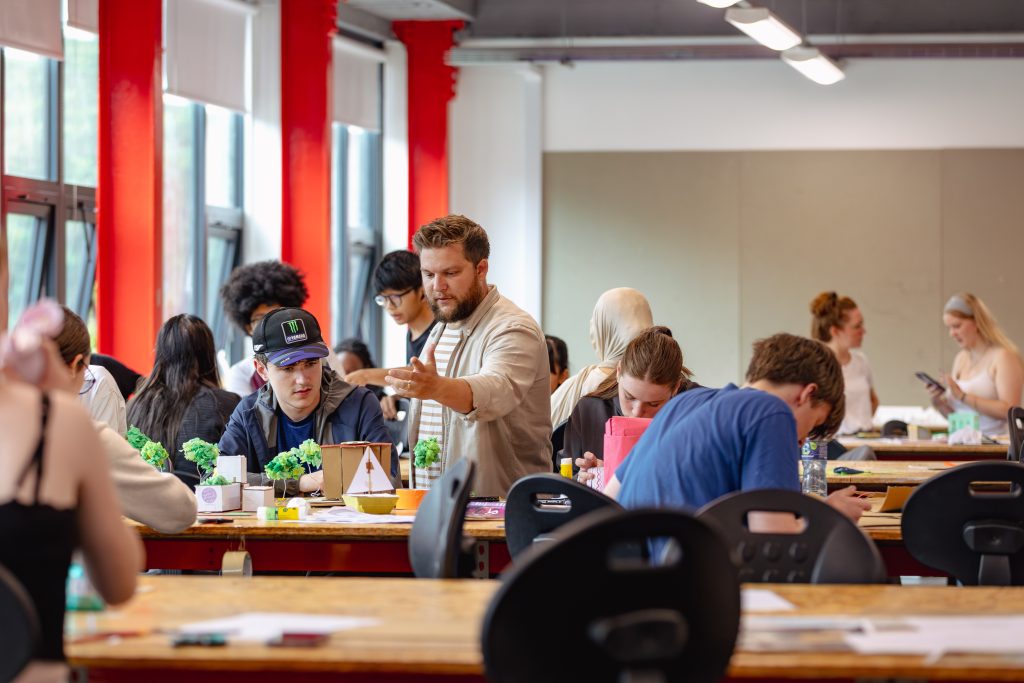
With a larger, more resilient team, PLACED is now focused on solidifying its structure rather than expanding headcount. Promotions and additional responsibilities have increased accountability and organisational capacity. Looking ahead, the team is committed to refining how it measures and communicates its social value and impact. The goal is to influence the sector more effectively and advocate for better practices, particularly in how engagement is commissioned. Advocating a shift towards holistic, integrated commissioning models could deliver greater impact and efficiency, reducing fragmentation while saving valuable resources for public sector clients.
There is also a focus on ensuring that social value commitments translate into genuine, long-lasting hange. PLACED aims to challenge and improve existing practice, advocating for a more accountable and sustainable approach to engagement.
With a relationship stemming from an ACC Liverpool tender, Kimpton has teamed up with Wirral’s Future Yard CIC, the Birkenhead-based community music venue – creating a vibrant and sustainable partnership that supports grassroots music and industry skills across Liverpool City Region.
Kimpton is the facilities management services provider to The ACC Liverpool Group, which has a commitment to influencing and supporting the wider events industry and ecosystem as part of its social value strategy.
Kimpton first came across Future Yard whilst it was tendering for ACC Liverpool’s facilities management services contract. The tender asked potential suppliers to outline how they would work alongside ACCL to support its social value plan – Kimpton saw the potential to support the live events industry at a grassroots level, by offering its support to Future Yard if it won the contract.
Experts in developing and delivering decarbonisation schemes for businesses across the region, Kimpton partnered with Future Yard by offering to service and maintain its heating, ventilation and electrical equipment. This includes servicing the boiler and heating systems, carrying out water temperature checks, emergency lighting, fire alarms and maintaining all the kitchen equipment. Kimpton’s Service Director worked with Future Yard’s team to develop a preventative maintenance schedule and identify ways to increase efficiency and minimise its carbon impact.
Kimpton also supports Future Yard’s corporate partnership scheme NEIGHBOURHOOD with a £1,000 cash donation each year. This goes towards funding free and subsidised tickets for local young people, families and community groups to access cultural events at the venue including live gigs, Mosh Tots (weekly gigs for kids and their families) and giving teenagers the opportunity to learn instruments, form a band, and perform on stage for the first time.

Mika Haasler at Future Yard said “As a community music venue, partnerships with institutions such as the ACC and their commitment to social value are vital in sustaining culture and regeneration at grassroots level. Together we are working to create opportunities for young people at the start of their careers – both on stage, and backstage through our production training programme Sound Check, which offers hands-on experience in sound, lighting and event management.
“This commitment has also led us to our vibrant partnership with Kimpton, whose support creates opportunities for local young people in live music across our programmes, as well as managing the facilities in our venue.”
Matt Breakwell, Kimpton’s Business Development Manager, says “Working with The ACC Liverpool Group to extend our social value efforts to also support Future Yard, could not be a better fit. We’re working with them to ensure the equipment at the venue operates as efficiently as possible so that they can spend more of their money on supporting young people to develop careers in the live events industry and nurture talent at a grass roots level.”

Peter Hughes, senior facilities maintenance manager at The ACC Liverpool Group, said: “One of the reasons we appointed Kimpton was due to the organisation’s social value commitments which are very much aligned with our own.
“Legacy is a key focus for us and we are pleased that Kimpton has already connected with the local community through its work with Future Yard which provides opportunities for young people in the events industry – from grassroots musicians to technicians. This underlines and complements our own objectives and our procurement commitments in our social value plan.”
For 60 years, Kimpton has been at the forefront of renewable technology. It installed its first heat pumps back in the 1970s for Walkers Crisps and Golden Wonder and has delivered two UK firsts in sustainable technology – the UK’s first water source heat pump in open sea at Plas Newydd, Anglesey for the National Trust and one of the UK’s first Transpired Solar Collectors at the SBEC Building on Deeside with TATA Steel.
Delivering social value in the communities it works in is at the heart of everything Kimpton does, working with clients including ACC Liverpool, Liverpool Hope University, LIPA, Unilever, Walkers, Daresbury Laboratories, Hilton, Radisson Blu and Liverpool Philharmonic, alongside NHS Trusts, local authorities, and central government.
Follow them on Facebook, Twitter/ X and LinkedIn.
About Future Yard
Future Yard is a multi-purpose, non-profit community music venue, using music as a tool for social change in Birkenhead. It comprises a 300-capacity indoor and 400-capacity outdoor performance space, five music studios, a bar/café and social spaces. So far, it’s welcomed over 50,000 visitors and 450 artists since opening in 2020, despite the impact of the pandemic.
Future Yard reimagines a music venue as a learning resource, a space for young people to embark on career pathways in the live music industry. This is delivered within a working live music venue, programming touring artists from around the world alongside local emerging talent. It’s striving to become the first carbon-neutral grassroots music venue in the North of England – and one of the first in the UK – realising a positive environmental impact alongside its social impact.
Follow them on Facebook, Twitter/ X, LinkedIn and Instagram.
City of Liverpool Football Club is a unique community catalyst; a club rooted firmly in the community from which its players – and supporters – come from. The team, which competes in the Northern Premier League, West Division (the fourth level of non-league football), plays its games at the Halton Stadium in Widnes. Next year, it celebrates ten years since its incorporation and played its first match in July 2016. Since then, City of Liverpool has generated £320,181 in total of social and economic impact – and a wider impact of £921,900 – alongside creating 12 additional jobs.
Fan activism, social enterprise and community are the central tenets of the club’s ethos. Its founders included members of different supporters groups, who’d been involved, in many cases, for more than 30 years in in groups including Spirit of Shankly and the Football Supporters Association. “But we noticed that – as Premier League football went global, clubs were branded by place names, but not of those places. Our vision for City of Liverpool FC was to be inclusive,” says company secretary Peter Furmedge.
For fans at the match, that manifests in a number of ways:

The club now boasts more than ten teams, working closely with Kingsley United in Liverpool 8 across its junior teams, alongside a men’s first team, men’s Sunday team (a development squad for younger players); a women’s first team (and range of other women’s teams in different tournaments), an under 18s men and a spread of junior teams. It also runs a number of football programmes addressing community issues, including its refugee and asylum seeker team which plays under the banner of ‘Football for Everyone’, a walking football team, which targets men aged 50+ who may be socially isolated, and a ‘get fit football’ scheme, which is aimed at players who want to lose weight and play football in a relaxed environment. Its junior programme works with more than 130 young people, creating opportunities to train, play and learn across the city region; ‘Kits for Kids’ provides sports kit to those most in need, while ‘Boots 2 Play’ recycles football boots for children and adults alike.
City of Liverpool FC is one of Kindred’s most recent investments, with the money allowing the club to grow the business, developing its revenue streams – which include a community hub in Huyton which is used for a range of activities and events; its merchandise range, alongside memberships and matchday tickets.
Its community links are clear: the community hub includes two 3G 5-a-side football pitches, which are used for a range of games, including walking football and for the junior teams who need floodlit pitches to play through the autumn and winter. There’s a boxing club, and self defence classes alongside recovery support groups. “It stayed open through the pandemic,” says Peter, “and we know for a fact that it saved lives. For many people, it’s their main social event of the week.”

He points to the link between football and mental health and wellbeing – the club’s welfare officer is a mental health professional and its closely linked to a range of community support, including recovery living centre Damien John Kelly House. While the committee positions are voluntary, the side employs a manager and assistant manager, two coaches and a physio for first team, alongside 20 semi-professional footballers on the payroll.
The club has also been successful at taking on players cast off by bigger clubs. “We have a reputation for fixing them and putting them back together when they’ve lost their mojo,” says Peter. “There’s a through-put of players who’ve been at Liverpool and Everton – and then there are other players who’ve never been at any professional club, but should have been. We had a young lad who signed for Burton Albion in League One – he played 200 games for us; another lad left us to play for a team in a lower league, but scored a hattrick at Wembley in the FA Vase. He’s at Gillingham in League Two now.
What the club is trying to do is show that – in a time of huge change in global support – that there’s another way. “It doesn’t need billionaires or global capital,” argues Peter. “Clubs are community assets, and should be built on social capital. No matter what level were playing at, we’re representing something other than a bank account or a share price.”

Longer term, the club is fighting for a home in central Liverpool, and has been working towards a new community ground on Edge Lane: “it’s a place that will be at the heart of the local community,” he says. “We could host community outdoor cinema and festivals – provide a vital community resource in this area of Liverpool that is so well connected. A place to create something that people really identify with…”
The dream, Peter says, is to “be competitive, whatever level we play at. Ultimately, the club will be as big as the community wants it to be.”
Inspired by the belief that everyone deserves justice, the Equality and Employment Law Centre has provided accessible legal services to those who need it most for the last twenty years.
Based on Dale Street and working with clients from a wide range of backgrounds across the Liverpool City Region and beyond, this socially-trading organisation helps thousands of people every year to access justice and move on with their lives.
“At the Equality and Employment Law Centre, we believe that everyone deserves to be treated with dignity and respect, both in the workplace and in society. Our mission is to combat poverty, injustice, and discrimination by providing specialist employment and discrimination law advice and advocacy. We are committed to empowering individuals and organisations through expert guidance and training, fostering a fairer and more equal society for all.”
“Through our work we prevent catastrophic circumstances such as, unfair dismissal, discrimination unemployment, ill health, homelessness and poverty,” says CEO, Julie Ehlen. “Every penny we make is re-invested into providing free and cost-effective support to individuals who otherwise may not be able to afford it.”

Specialising in the complex areas of employment and equality law, the law centre also offers a free helpline to assist employees who require employment advice, as well as providing free HR/Legal advice to third sector employers.
“We are one of the very few free services that answer the phone directly without making you navigate through numerous options or leaving a voicemail, and we clearly publish our phone number on our website to make it easy for our clients to speak to someone, something that is becoming increasingly rare,” says Kristian Khan, Legal Practice Manager.
“Unfortunately, people from more deprived communities or employed in low paid jobs are more likely to be discriminated against,” says Kristian, “and many of our clients cannot afford legal advice and are not eligible for legal aid. Sadly, they fall between the gaps. Our advice line is in fact a lifeline.”
“A legal dispute is often very stressful having a huge impact on an individual’s health, wellbeing and relationships. Most of our clients come to us for help when they are traumatised highly stressed and in crisis, so a fundamental part of our impact is working in partnership with other like-minded organisations to transform lives,” say Katie Corless, Solicitor.
Julie continues, “We first learned about Kindred through the Liverpool City Region’s Growth Platform newsletter. Working with them has been a pleasure; they truly understand the demands of providing vital social trading services. Their support has been invaluable, allowing us to operate efficiently and effectively, helping us navigate the ongoing challenges of running a social enterprise.
“Our biggest challenges include underfunding, the cost-of-living crisis, and the loss of homegrown solicitors to better-paid private sector jobs. Additionally, delays in court cases due to backlogs in the civil courts and employment tribunals have impacted our operations. Yet despite these challenges, we continue to see a growing demand for legal advice.”
With the ambition to become a leading law practice specialising in HR, Employment Law and Discrimination in the charitable and voluntary sectors, the charity is now focusing on expanding its services further and continuing to advocate for social justice.
Julie concludes, “At the Equality and Employment Law Centre we’ve already prevented numerous adverse outcomes, helping clients to keep their jobs, resolve disputes or fight discrimination. With people needing our help more than ever, we look forward to continuing to promote a fairer and more equal society in the future.”
Find out more about the Equality and Employment Law Centre here...
Twelve years ago, Kate Collins turned being made redundant from a local conservation charity into a life changing opportunity.
“With a degree in Zoology, as well as years of experience working as a youth worker and an assistant park ranger, there was one underlying aim that inspired what I wanted to do. That was to reconnect children with the nature on their doorstep,” says Kate.
“My Outdoor Classroom CIC believes all children and young people have the right to play outside in nature, even in the most urban areas. By promoting positive outdoor experiences, and letting imaginations run wild, we not only develop their love for the natural world, but also nurture their education, health and wellbeing needs too.”

Based in St Helens, but delivering forest schools, community sessions and woodland adventure parties at locations across Liverpool City Region, Kate, her fellow My Outdoor Classroom CIC director, Lisa Bostock, and three freelance practitioners work directly with local schools, charities, SEN groups and low-income families.
“As our business has developed, so too has the need and understanding for the services we provide,” says Kate. “Although focused mainly on education, the potential for outdoor hands-on learning reaches far beyond primary and secondary settings. Its value is also recognised with young adults or people with learning or mental health difficulties too. Although the application is different, the same principles remain, and we shape our methods to suit the individuals, allowing them to learn, participate and achieve at their own pace and at a level of their own choosing.
“Kindred’s support has come along just at the right time for us,” she says. “When you’re juggling the delivery, as well as the development of a business, you’re that busy you sometimes can’t see the wood for the trees, as they say.”
Through a combination of financial investment and peer mentorship, Kate has now been able to invest in a much-needed van, making the transportation of equipment much easier, as well as gained a new support network from other environmentally-focused Kindred members.
“Thanks to recent Kindred support we’ve also been able to offer a self-referral adult forest school this year. Held at Waterloo Community Forest Garden in Crosby, this little sanctuary of nature is a space for those who need it to find mindful relaxation, meet new people and learn new skills amongst the wilds.”
Kate and her team are now also busy training the next generation of forest school practitioners too: “We have started to run accredited level 1 and level 3 training courses and recently welcomed ten childcare students from Hugh Baird College. Knowing that my passion is now becoming a professional career choice for so many means the world to me. I know it will make a positive impact on even more lives.”
Find out more about My Outdoor Classroom here...
