Standing firm: property, the social economy and the case for community ownership
“I knew I wanted to combine education, capoeira and creativity, bringing capoeira to as many people as possible and drawing on its potential to reach different people in different ways,” says Capoeira for All CIC founder Akil Morgan.
Established in 2015, the organisation runs powerful community projects and educational programmes, using capoeira to bring curriculum themes to life in the classroom. It has run a project with UNICEF teaching the United Nations Convention on the Rights of the Child through capoeira, and a programme designed to explore the refugee experience with Sanctuary Schools. By 2025 that education programme needed investment to focus it, building a stronger trading income with investment from Kindred. “Kindred’s given us great support,” Akil says. ”We’ve got investment, we’ve got space – and from this we’re building opportunities.”
For several years, Capoeira for All moved from space to space across Liverpool. An office here and a rented hall there; classes running from Belvidere Academy, then Hope University – before it found a home at Liverpool 8’s John Archer Hall. But every move meant upheaval and Akil is clear about the change a permanent home created. “I don’t think there’s any business that wouldn’t say that a secure tenure and a reliable affordable place to run your business from is the bedrock of being able to do what you do and grow what you do,” he says.

For a social business built around people and practice, rather than a product, that base matters even more – it’s the difference between being able to plan a term and planning a decade. Security of tenure did something else for Capoeira for All too: it gave Akil and his team permission to shape the space around its own needs. “I’m actually able to affect the space,” Akil says. “I’m able to rip out this sink, build this mirror wall into the wall – we’re able to make it what it needs to be for our community.” That kind of investment only makes sense when you know you’re not leaving.
Community ownership
But Capoeira for All didn’t just find a secure space for its tenancy – it ended up becoming one of a group of tenant landlords, managing the building it worked from.
Toxteth TV and John Archer Hall were heading towards crisis. The board and staff couldn’t keep the buildings maintained and tenants had started to lose confidence. Rather than watch the doors close, a group of long-standing tenants organised and, at an AGM, passed a resolution with two effects – the board became tenant-led and every tenant with a valid lease became a member of the company. The new tenant-led board pledged to represent the businesses across the building – Akil says: “there’s no reason that the tenants shouldn’t be the one making decisions about how this space moved forward,” he says. “We’re the people who make these builds come alive and we’re heavily invested in them.”
Originally, the building was bought with EU Objective One funding, which built in an asset lock to make sure that whoever sat on the board could never simply sell it off. In other words, it was designed as a community asset from the start. What changed in 2024 was who actually held the decision-making power.
That change took a huge amount of energy and 18 months before tenants felt its positive impacts in their everyday working life. Raising rents to sustainable levels meant asking long-standing tenants to sign new leases and rebuild trust from real resistance that had built up amongst tenants. “People were still used to their old culture,” admits Akil. “It’s hard to image change, until you see and feel things are done differently. We’ve been making these changes the last two years.” The first year of the new board was, in his own words, “a hell of a first year” – tough enough that Akil considered walking away at one point. But two years on, John Archer Hall has come through that period and looking ahead, rather than firefighting.
The space now
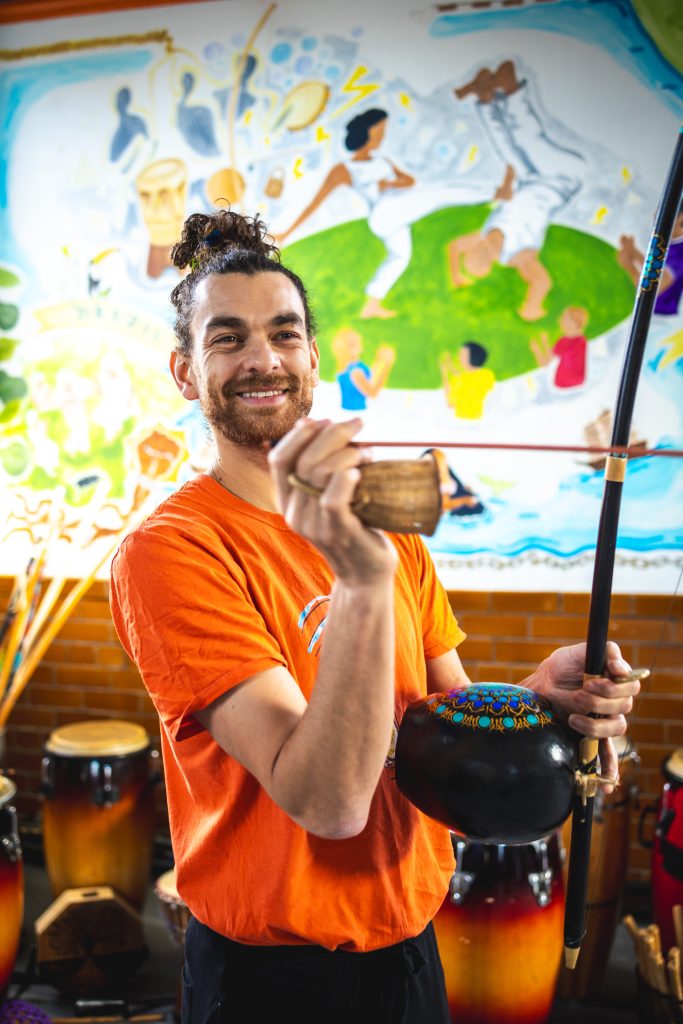
The payoff is visible in how the building is used day to day, with classes running six days a week, a space for Ubuntu, a Black wellbeing collective, alongside other community organisations and meetings. It’s shared infrastructure for a wider community, not just headquarters for the organisations that are based there. Akil believes Toxteth TV may be one of very few, if not the only, community-run TV studios in the city, though it still needs an estimated £150,000 of investment to modernise the studio equipment, on top of wider repairs and energy efficiency work on an ageing building.
Other community organisations are already asking Akil and his co-directors about their experience and John Archer Hall is now investigating a cooperative model, with support from Kitty’s Laundrette and recent funding to take this forward. Links with the University of Central London brought a cohort from across the country to visit the space and Akil and his neighbours at the African Caribbean Centre and Kuumba Imani have since joined that cohort themselves, taking their own story to its next meet-up in a community space in Tottenham to share learning and support.
Akil frames this not just as a governance issue, but an equity issue. He points to Liverpool City Council needing to do more to move assets into community hands and for the city to reimagine itself, so the benefits of tourism and business wealth reach the Black and Global Majority communities. For Capoeira for All, a say in the building’s running isn’t the end of that argument, but the proof that the argument works.
Putting down roots: how Grow built a business from the ground up
Duane Chong founded Grow Wellbeing in 2018, alongside his partner, Angela Samata, to focus on “work around community development, social impact and nature-based interventions,” he says. For the first two years it was predominantly Duane at the helm, supplemented by another forest school assistant and a handful of volunteers. Grow delivered sessions in schools and slowly built partnerships across the region, with organisations like the YMCA, local housing associations, Wirral CAMHS team and Barnardos Young Carers.
It was steady, patient groundwork but it was also, by Duane’s own account, unsustainable in the long run. “I was still the principal delivery person for our activities and – before we got Kindred investment – I was doing the marketing, I was doing the bookkeeping, I was reaching out, I was doing the networking – all the things that sole traders do,” he admits.
The arrival of investment from Kindred changed the trajectory of the organisation. By that point, Grow already held a contract with Lifelong Learning to deliver workshops across 20 schools and had been engaged by Mersey Forest to deliver part of a nature learning programme across the north west. The demand was there – what was missing was capacity.
“We asked for funding that would enable us to employ a project coordinator for 12 months, a bookkeeper and a forest school leader, that we could offer regular hours to for a year,” remembers Duane. The investment came with a portion of the repayment due via social returns, making Duane candid about weighing up the risk. “I took confidence from Erika and Nicola – and others – about Kindred’s ambitions and its ethos and principles,” he says. “That made me think there is a risk involved in this… but it’s a risk worth taking.”
Five years on, the results speak for themselves. Grow now employs four full-time staff and six other delivery staff, supported by four or five regular freelancers. “We’ve seen growth year-on-year, which is high growth,” Duane says. The relationship with Kindred has also become reciprocal: Duane has sat on money panels since 2022, drawn by a sense that “it’s not just a commercial transaction. Kindred was invested in us doing well and I feel like I’m contributing to the network and to the development of the ecosystem.“
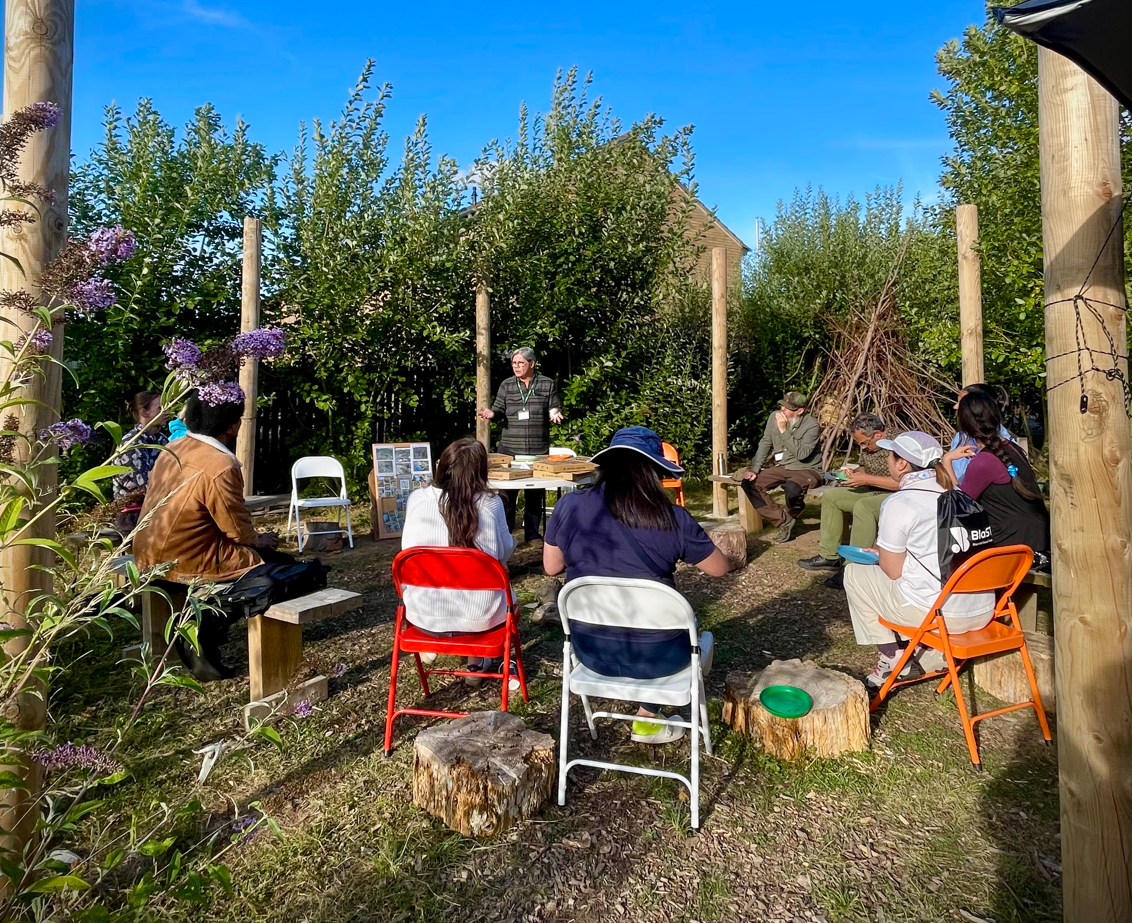
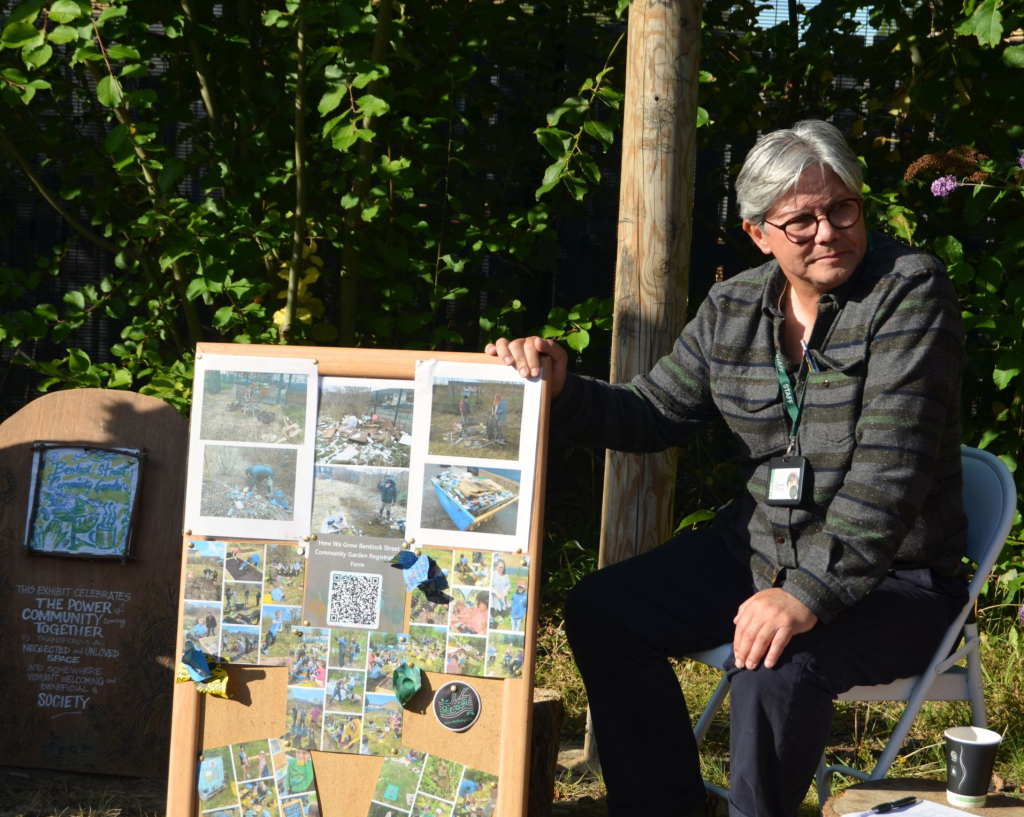
Growth has brought a persistent constraint into focus: access to land to deliver its nature-based activities. Grow’s only outdoor site with a legal agreement is Bentinck Street, council land that was passed over from another charity. A 19-year lease now gives Grow scope to fundraise against the site and to run community gardening, training and engagement projects there. Not only does this make STOs more resilient, but brings benefits – and costs savings – to Wirral communities and, longer term, to the public purse, via its impact on health and wellbeing.
After nearly two years, Bentinck Street Community Garden has a core group of long-term volunteers, “70% are very local,” says Duane – and has recently hosted a Pride in Place community engagement day and a BlaST Session on climate change and urban food growing.
But one site isn’t enough for an organisation with Grow’s ambition. An application for a lease on a field adjacent to Grow’s forest school site at Bidston Hill, first submitted in 2022/23, remains unresolved. “It was a response to the council’s own call for community proposals – it’s so frustrating,” admits Duane. “I’ve revisited it recently and I’ve put another expression of interest in.” Grow has also enquired about a further patch of land across the road from its Birkenhead office space, with no response so far, aiming to revitalise and bring back into use land that others have been unable to.
The frustration isn’t simply about square footage – it reflects, in Duane’s view, a gap in understanding about the value assets bring to organisations like Grow. “I think there’s a lack of understanding of how significant it can be for STOs like ours to have land that we can use to fundraise against and provide increased community activity and social impact. The Heseltine Institute research shows how organisational sustainability improves when STOs hold assets.”
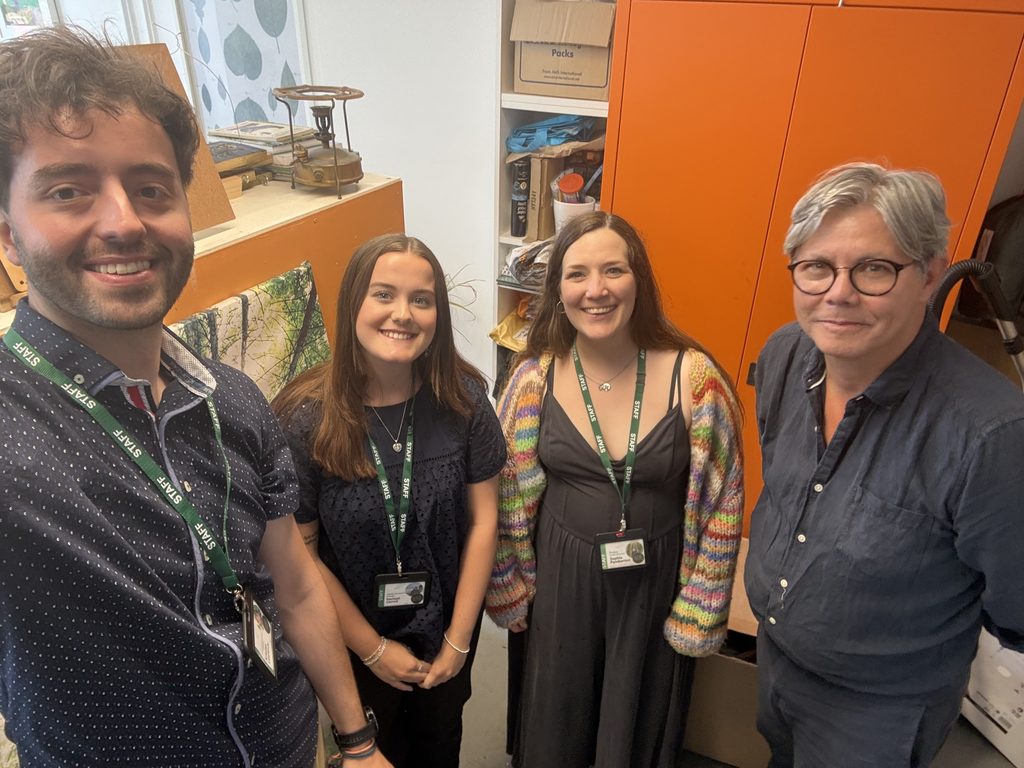
Beyond the day-to-day delivery, Duane has taken on a growing role shaping the wider ecosystem, a trait increasingly followed by maturing STOs, who are moving beyond delivery into influential strategic positions. He sits on the Nature Connected board for Liverpool City Region and the Local Nature Recovery Strategy delivery group; has joined Birkenhead Central’s Pride in Place board and leads the Wirral Food Growers Network and Feeding Wirral Partnership, both of which seek to address food insecurity issues through co-operation and increasing food production. His consistent contribution has been to keep people, not just environment, in the conversation. “I’m talking about nature, and the health and wellbeing of people accessing green spaces. We’re in a climate crisis – the more people we have engaged in nature, in green spaces, who recognise the value of them as well, the better,” he says.
This influence is real – and beneficial to Grow’s growth – but neither does it come for free. “Those initiatives may come to fruition sooner or later but, at the same time, this business is paying me. Where does the money come from for that? What projects are paying me to be involved in structural sector development?” It’s a tension familiar to many STO leaders: the strategic, sector-shaping work that strengthens the ground an organisation stands on is rarely funded work in itself.
Grow’s ambitions extend well beyond its current footprint: a nature learning hub, a long-held plan for a forest school nursery and an interest in an old school building, with a working estimate of £250,000 needed to make the vision real. It has, in Duane’s words, already “proved that we can pay back investment.” The next challenge is finding the assets that let it grow into what it already knows it can become.
Building a Social Innovation Cluster in Knowsley
Jacqui Meadows is the founder of Capacity for Change and describes herself as its ‘Chief Empowerment Officer’. She came together with other socially-trading organisations and creative freelancers as part of the Women in the Know group, following Kindred’s work in the borough in 2023.
Two years later, Jacqui took the lead on a pop-up shop in Kirkby town centre, designed as a place to grow and support the social sector, acting as a base for socially-trading organisations – many of them, in Jacqui’s words – “really in their infancy… to come and test their product or idea.” Capacity for Change provided the advice and guidance to move people from idea to structure.
In just eight weeks, Jacqui delivered six sessions and worked with eight clients: helping people move from informal activity towards structure, alongside a range of activities designed to test ideas other creative and care-focused organisations: “Two groups adopted constitutions and have governance documents now, so they can access funding and start delivering." One CIC – Teen Souls – emerged directly from this support, supporting teenagers’ mental health through self-care and confidence-building activities.
Though often overlooked as productive activity, shared creative spaces generate the connections and trust that underpin future social and economic outcomes. This is the cluster’s pattern – low-barrier, hands-on support that takes someone from an idea to a constituted organisation capable of attracting funding.
Connection
The shop didn’t just support people already heading towards entrepreneurship – it highlighted needs that weren’t yet visible. A games evening, modest in scale (three sessions, four families, ten individuals), exposed a sharper picture of local isolation: children either hanging out on the streets or alone “in their bedrooms, scrolling the internet, with no social interactions whatsoever,” Jacqui says.
For one young girl who wouldn’t speak to anyone outside her family, two sessions of board games were enough to start her re-engaging socially; she has gone to attend an art session in the town regularly. “That was a quick, early intervention for me,” says Jacqui. “She was clearly a very smart girl, but she just struggled in social settings.”
Programmed sessions like card-printing, clay and somatic yoga created the conditions for people to find each other. A sole trader running menopause support and a woman doing mental health workshops were able to link in and do a workshop together – connections that wouldn’t have happened without the shared space.
This connective tissue extends beyond the shop itself. Jacqui describes setting up Teen Souls’ founder with space to deliver her programme: “I introduced her to someone who runs a socially-trading day service and now she’s supporting her with space for her CIC. It’s organic,” she says. The cluster doesn’t just create individual interventions – it creates a web of mutual support that continues to generate new connections long after the initial activity ends.
Sustaining and scaling the model
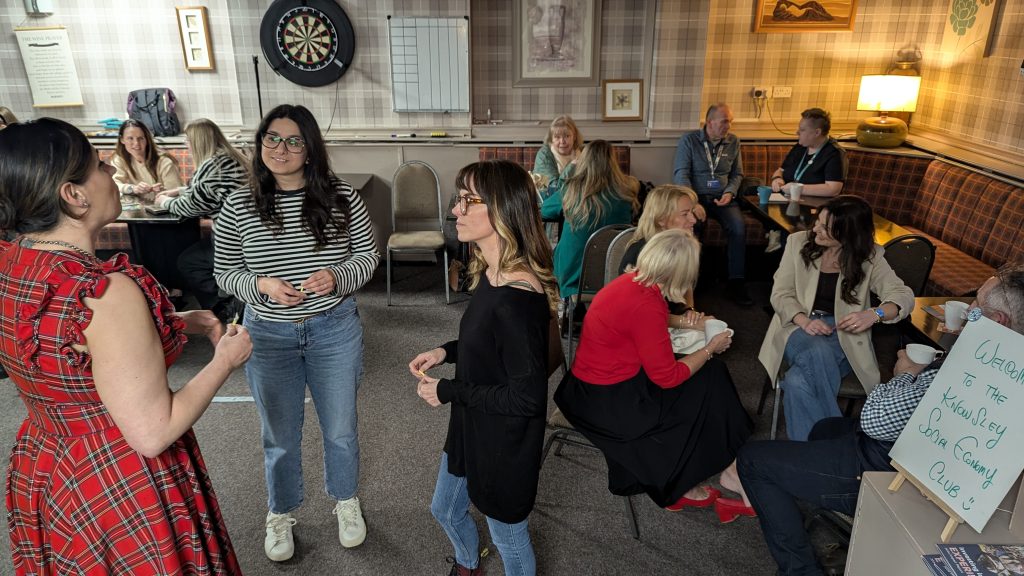
The community that came together as part of Women in the Know has lasted beyond the shop itself, sustained through a WhatsApp group of around 30 members and a regular Social Economy Club with partner Fran Manca at Underwing Liverpool. Members are encouraged towards other opportunities in the wider ecosystem – like pitching at Liverpool Soup – and, in partnership with the Eleanor Rathbone Trust, Capacity for Change will be delivering series of workshops on how to set up and run socially trading and community organisations.
“In the Social Economy Club, people have found a network who understand what it’s like to run a business like theirs – running a socially-trading organisation (STO) alone can be hard and lonely,” says Fran. “What’s brilliant is that these sessions aren’t about selling: they’re informal, relaxed conversations and yet people leave having made new connections, decided to work together, even come away with a sale or a collaboration. We’ve already seen three business transactions come out of two SECs in the borough. It’s proof that the value isn't in the pitch, it’s in being in a room with peers who get it.”
This matters because, as Jacqui notes, “STOs often describe how isolated they are – not just in terms of geography, but with everyone working in silos.” The cluster’s value lies precisely in countering that: “It’s not just about sharing information, but about coming together and saying ‘we’re all here and we can all help each other’.”
“So many of the people who come to the Social Economy Club spend their working lives supporting others: signposting, solving problems, providing for people in need,” adds Fran. “What they forget is that no one’s doing that for them. That’s why the wellbeing side matters – not necessarily as the main event, but always there. Even people who say they’re coming along to ‘have a break’ end up having the best business conversations, because for once they’ve got the capacity and the space to talk about their own business, and everyone who was there has taken them seriously.”
The two also highlight the value of their own working relationship, which has blossomed through running Social Economy Clubs together – they are collaborating and planning new ways of supporting the sector to thrive. Next, they are looking at ways to make this permanent – an ecosystem, rather than an intervention – with Jacqui looking for funding to create a permanent socially-trading hub in the town centre, building on what the shop proved was possible.
For building-based STOs, not having a building to call home can make costs unsustainable. MELT, a performing arts academy that has trained dancers in Liverpool – and Wrexham, Kendall and Preston – for eight years, found that out the hard way.

For years, MELT – and founder Karl Newsam – delivered from rented spaces, getting to the stage where, the more successful the academy proved, the more unsustainable costs became. Even short bursts of work were expensive, “lining other people's pockets,” he says. By contrast, he estimates a purpose-built space the same size as his new Birkenhead home would cost around £6,000 a month: well beyond reach for a socially-trading organisation that earns its way through delivering programmes, rather than through grants or reserves.
Finding anywhere at all, let alone anywhere affordable, took the best part of a year of legwork. “I literally walked up and down the street for about three weeks,” he recalls. “I sat in Wetherspoons clocking who was where, Googling, emailing and knocking on doors.” Much of what made it hard wasn't the money – it was trust.
Mentioning dance or musical theatre shut some conversations down outright – a legacy of past ‘rogue’ operators, who folded owing people money. Commercial landlords also want six years of trading accounts before they’ll grant a lease to a CIC, which means Karl has taken on the lease in his own name, making him personally liable until the business catches up. He doesn’t shy away from naming bias as a factor too: “I think there’s a race element in there. If I was a 5 foot 6 white woman with blonde hair, I think it would be a very different story,” he says.
Landlords, he says, often come down to whether your face fits. Karl had coffee with his before they even talked about the lease – and then his landlord came to his opening day.
"When space becomes available that’s when independents move in, isn’t it?” He asks. “We’re changing the culture.” But what baffles him most is how much property has stood empty, throughout the search. “It’s very odd that there’s so many buildings in Liverpool that just sit there, or you can’t get hold of anybody, or they’d rather it went to digital arts or something else,” he says.
What MELT eventually found meant compromising on almost everything they’d pictured. A former nightclub on Conway Street – across the Mersey from its established Liverpool community – untouched since a renovation just before the pandemic. “You have to stop expecting it to look a certain way,” he says.
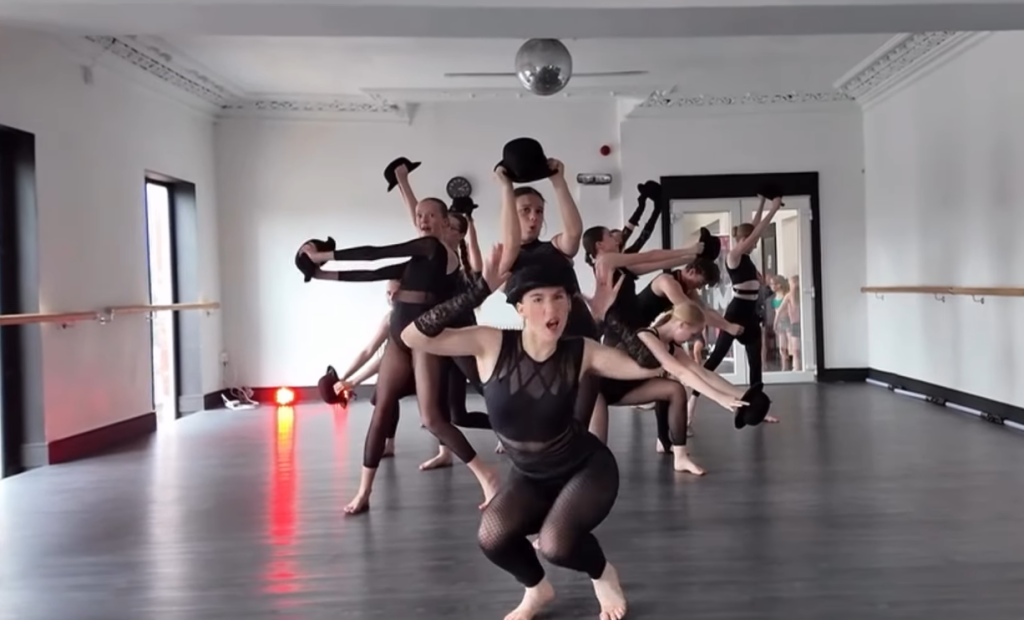
“I saw the price and thought, ‘I’ll make it work!’ You’ve got to compromise somewhere.” A five-year lease with a three-year break clause gave him time and space to settle in and grow the community, in a light, bright new space boasting three studios, an outdoor terrace, outdoor covered performance area and a bar, kitchen, dressing rooms and toilets.
The compromise wasn’t only architectural – moving meant leaving behind eight years of relationships in Liverpool and not everyone made the crossing. “It’s been challenging and a little bit painful, to be honest” he admits. But starting again has opened things up too. “We have a good opportunity here, because the competition is not so fierce. From 2027, we’ll be a college, offering a Level 3 Extended Diploma in dance or musical theatre for ages 16-19.”
Starting again has forced changes beyond geography too. Running a building on top of everything else proved impossible for one person, so MELT widened its directorship from one to four, sharing decisions that used to sit with Karl alone. It has also opened up space that Liverpool’s crowded arts scene couldn't offer: less competition, the only Level 3 dance/ musical theatre college in the area – and the beginnings of what he calls a ‘golden triangle’ with neighbouring STOs Make and Future Yard.
Next MELT is launching its Arts Hub – a year-round curriculum of free seminars, networking events and masterclasses for emerging artists who’ve potentially spent £70,000 on training, yet have nowhere to learn the business side of a creative career. A sensory space is helping children with SEND needs build up to full three-hour sessions.
Numbers are climbing again – in little over six months, 37 children have enrolled and the academy’s gifted talent programme still draws families from Manchester, Nottingham, Kendall and Wrexham – four of them already on stage in the West End.
None of this would have been possible without a fixed, affordable home – or without an investor willing to back a model that makes it viable. “Social investment always feels like a leap, but we’ve never relied on grants anyway – we’ve always run programmes where we’re making money. Kindred has championed me ever since,” he says. It’s a measured kind of optimism, but a real one. “Despite everything, over here we can breathe,” adds Karl. "We've done the hard work, and I'm starting to see that snowball."
When Halton Borough Council and community development specialist Paul Kelly invited Kindred to support an emerging community land trust in Runcorn, the brief was straightforward: help a nascent CLT build the case for taking on community-owned spaces, and demonstrate local demand.
Kindred’s response was our festival of ideas model – an open invitation to anyone with a vision for the town to come and share it. In August 2025, four sessions at Space Café marked the launch of Reimagining Runcorn and 40 people brought their ideas. Those ideas formed the foundation for the launch of Runcorn Old Town CLT, which already has more than 200 members.
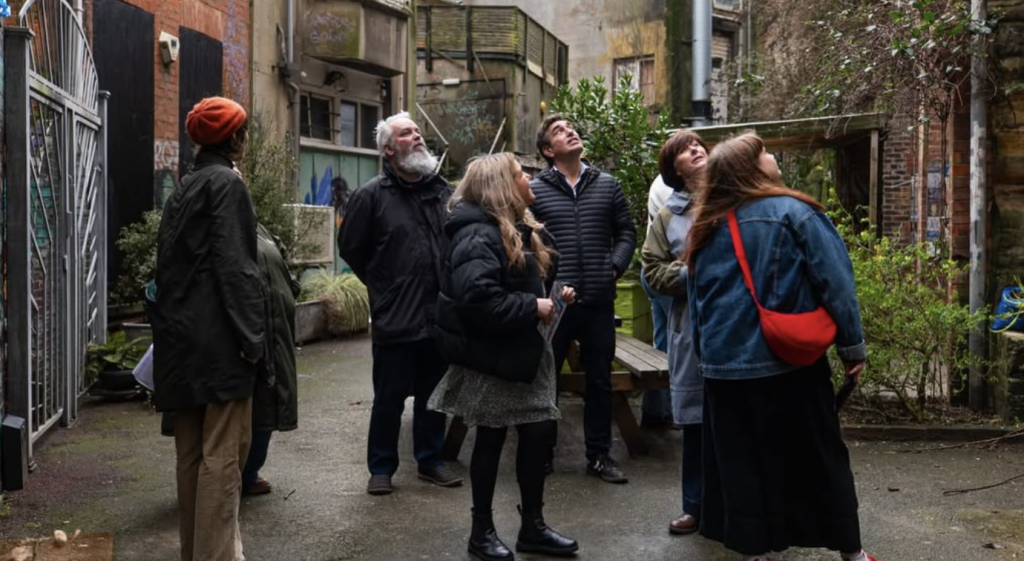
The festival did more than generate a pipeline – it connected people who hadn’t previously found each other. Two groups, introduced at one of the sessions, went on to start Runcorn Radio together. Ian of Mindful Miniatures – another participant – later featured on the station, a journey that began with a conversation at the ideas festival. These are early signs of something rarer than activity: a community beginning to organise itself into a social investment cluster.
The festival was delivered in partnership with Space Runcorn CIC, Runcorn Old Town CLT, Halton Borough Council and Halton and St Helens Voluntary and Community Action. Space Runcorn CIC subsequently received Kindred investment in the first quarter of 2026 – an early demonstration of the link between place activation and pipeline development. Space Café, where the sessions were held, has since come forward for investment consideration.
Caroline Moss is the founder of Space Runcorn: “I was part of the Reimagining Runcorn project in my role on the board of Runcorn Old Town CLT and it really helped our new group by activating and engaging the community with some new ideas for regenerating the town. Kindred supported with practical aspects of the project, but it worked well because Kindred knew when to take a step back and let local people take a lead,” she says.
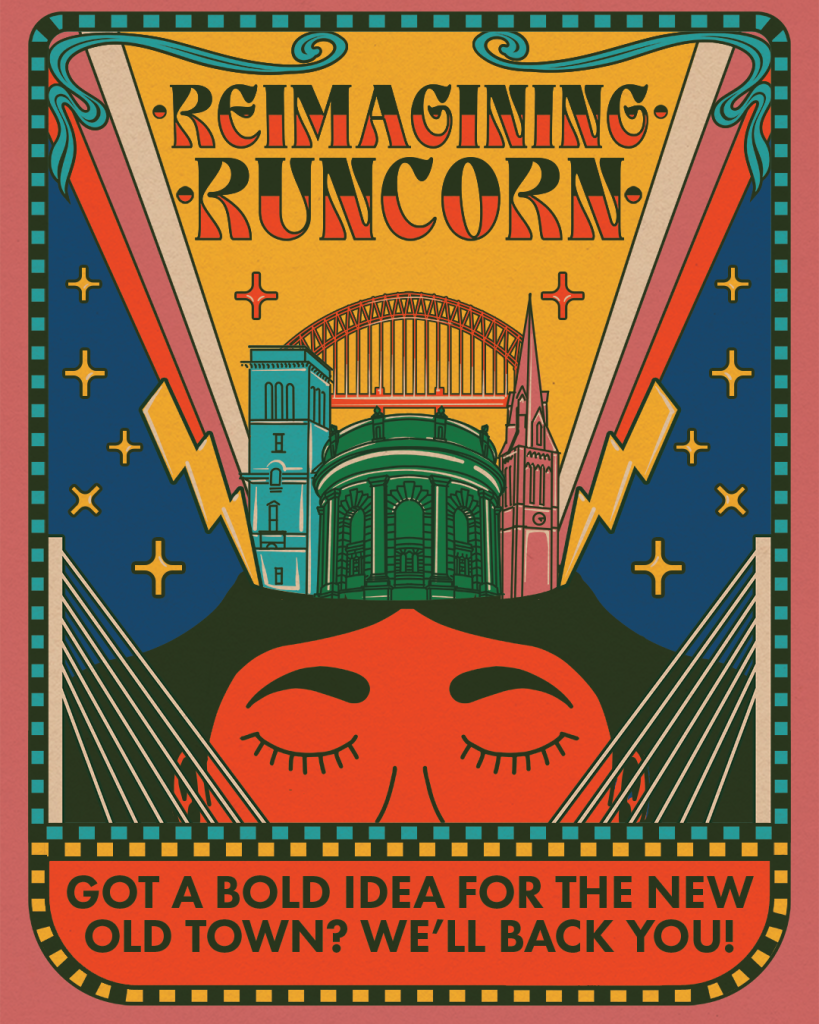
Of the 40 ideas submitted, seven STOs in Halton are now receiving targeted follow-up support to showcase their ideas, with both St Helens and Halton VCA and the CLT also picking up ideas to support. Notably, many of the realisable ideas and existing STOs in Runcorn are male-led, with a focus on men’s mental health – a particular characteristic of this place that the ongoing programme is well-positioned to support.
“Empowering and supporting communities to believe in what’s possible – without taking over – is what made the project different from what's been done before,” says Caroline. “This sort of collaborative working goes a long way in helping the community feel safe to open up to new ideas and new opportunities for change.”
The work now points toward something larger. The evidence gathered is building the case for the renovation of the Baths – a former public swimming pool and market – and other empty buildings including Elite House, which Halton Council is considering handing over to the CLT as community centres for STOs. Learning from Halton – including the lack of accessible event venues in the town – will feed into the design and implementation of HoldCo.
Building bridges, building futures
Kevin Rodgers knows what it feels like to navigate uncertainty and rebuild. Before launching Spark, he stepped away from a long-term career and set out to create something different for young people facing barriers to opportunity. “Our first year was a baptism of fire,” he says. “There were so many things that you thought you knew that you didn’t know.”
What he did know was the power of connection – Kevin had spent years as operations manager for the north of England at the Duke of Edinburgh’s Award and used that experience when he set up Spark, an empowerment programme for young adults. Now, it’s a multi-award winning charity and operates as both the Wirral Youth Employment Hub and the Youth Enterprise Hub across the Liverpool City Region.
Spark works with young adults aged 16 to 30 who are, as Kevin puts it, “at a crossroads of uncertainty”. The upper age limit matters, as “a lot of programmes stop at 25,” he says. “That’s often where people are vulnerable still, because support drops away.” Spark's job is to be there when other provision has moved on.
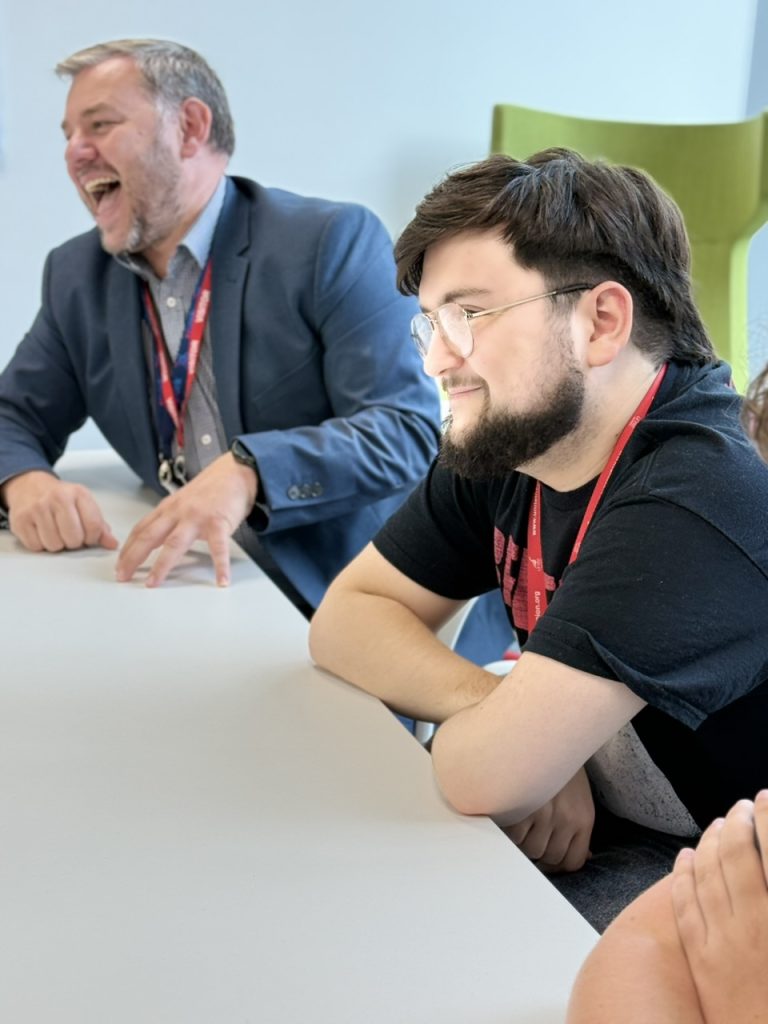
The work is rooted in personal development as much as employment or enterprise. Some young people arrive with degrees but lack the GCSE Maths or English that gets them past an initial job sift. Others simply don’t know what their options are. “They’re faced with institutional barriers that we have to overcome,” says Kevin. His answer is to build bridges: between community organisations, corporate partners and, above all, young people themselves.
In practice, that means CV support, job search help, mock interviews and a business boot camp for those with entrepreneurial ambitions. It also means a pantry stocked with food staples and hygiene products, loanable laptops and SIM cards with free data, and a reception where you’re greeted by a young person, offered a drink and walked to wherever you need to be. “What we’re creating here is a safe, inclusive space for every individual,” he says.
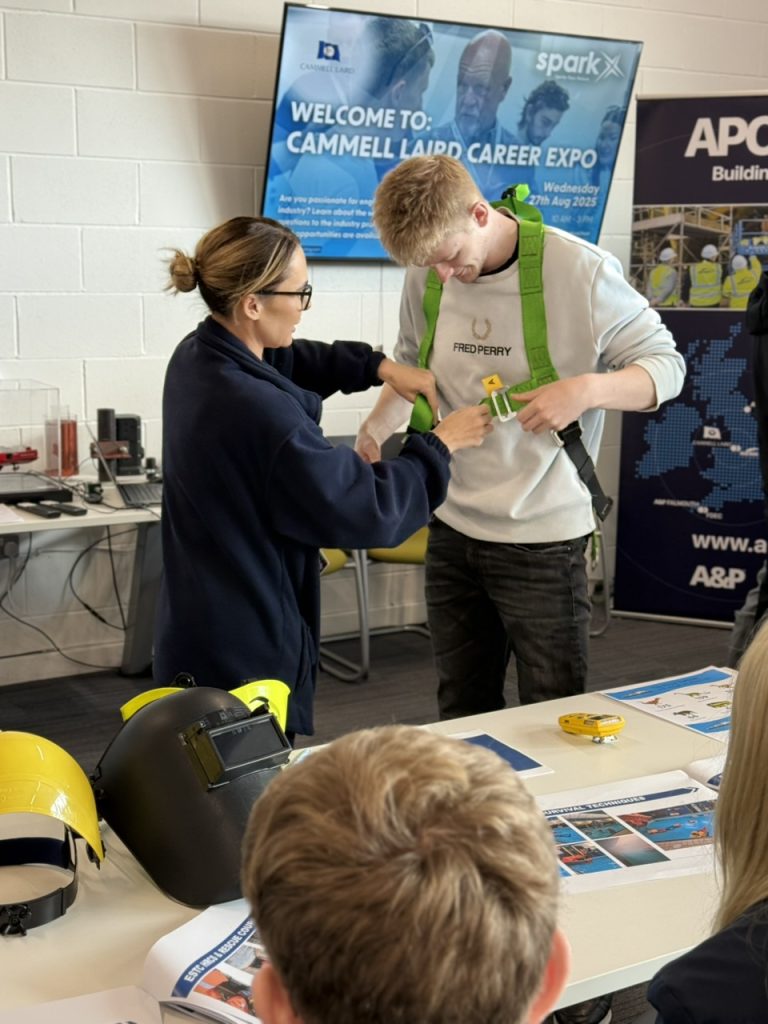
The corporate partnerships have grown steadily and organically. Cisco, Intact Insurance, NatWest, Peel Ports and Cammell Laird are all involved now. Cammell Laird opened its doors to four young people for a six-month paid placement; Intact took on four more to work on their archives. What distinguishes these arrangements is the way Spark approaches eligibility.
“We prioritise young people who may face additional barriers to employment, education or training,” explains Kevin. “Our focus is on opening doors and creating opportunities for those who are often overlooked by more traditional pathways.” Many of the young people who take up placements with partner organisations complete their Maths and English qualifications alongside them, driven by a genuine sense of purpose and progression.
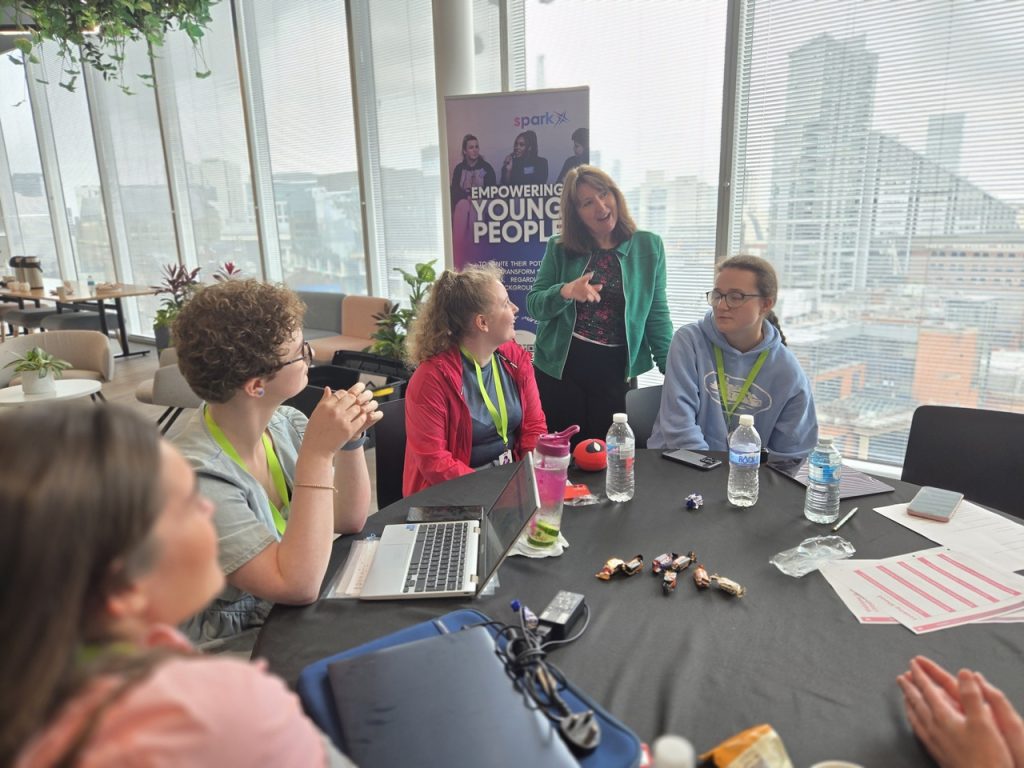
Young people also shape how Spark operates, through Sparklings, which gives its youth a voice. “They’re on interview panels and they’re in discussions. If we go to corporate events, one of them comes with us.” Kevin’s logic is straightforward: “Why speak on behalf of a young person when there’s young people willing to speak for themselves?”
That ethos shows up in how the charity frames its support. “Our motto is, ‘we’ll do it with you’ – we’re not going to do it for you… because we don’t have capacity and that makes people reliant, rather than empowered.”
The results speak for themselves. In Spark’s first year in its new home, over 7,000 young people came through the door. Currently, there are around 500 members being supported. And Kevin is proud of the fact that 52% of all those who’ve engaged have gone on to a “chosen positive destination – whether it be education, employment, training, or business startup.”
The impact is clearest in the voices of the young people themselves. Harvey, one of Spark’s members, puts it simply: “Before I came here I was isolated and didn’t go outside much – I felt down most days. Coming here, I realised that I do have potential and I can do stuff and accomplish things and make friends. It’s probably the best thing that’s happened to me and I feel like a different person. I’m actually looking forward to getting a job instead of being scared. I’m excited about what I can do in the future.”
Myles, who is heading to university to study law, is equally clear-eyed about what Spark gave him: “I’m most looking forward to seeing what new skills my new perspectives develop, from my role here and seeing how I grow and evolve in confidence, ability and competence.”
Kevin has described his vision as building an ecosystem: “You empower an ecosystem, because people remember that one time somebody invested in them. And then they reinvest and it becomes an ecosystem to empower the next generation.”
Kindred's investment helped Spark find its permanent home and take on the staff needed to meet demand it couldn’t previously keep up with. “If you want to work with Kindred and you’ve got any doubt, I would say ‘hear them out’,” he says. “At first I thought it sounded too good to be true, but it’s exactly what it said on the tin – the support you get, the opportunities that it’s provided, both in terms of personal growth and connecting – the opportunities to speak with other business leaders who are socially-trading organisations who either are at or have been where you are now. The transparency of that ecosystem is fundamental to our growth.”
There are now conversations about a potential second hub and representatives from across the UK visit to see how Spark’s model works. Kevin’s ambition has always been to do things differently: “That type of outside the box thinking was a risk for them, but I think we've got the balance right,” he smiles.
The right space: Open Door’s journey from a small shop to Joy
When Lee Pennington founded Open Door in 2011, he wasn’t thinking about buildings – he was thinking about people. But the Birkenhead-based mental health service has become nationally renown not just for the innovation of its services, but for the boldness of its space and knack for using arts and culture as catalysts for change.
The idea came from personal experience – anxiety Lee never felt before, a close friend’s loss, and a growing conviction that what young people really needed wasn’t a clinical leaflet but someone who genuinely knew what it felt like. “I’d exhausted plenty of other job options,” he admits. “But I really felt like I’d make a really good person to sit with and talk to someone to say, ‘don’t worry about it, it’s gonna be okay. Just do these things and you’ll feel okay’. I knew what it actually feels like rather than the signs and symptoms that are written down or stuff. I thought, ‘if I can prevent families living through the horror of suicide, that would feel amazing.’”
He took that idea to the Job Centre and was turned away, so applied to the National Lottery instead, who also turned him down. But he kept on knocking on doors with a plan to provide free immediate access to creative therapeutic support for like young people and young adults who were depressed or anxious or stressed or panic attacks. And then, with £29,440 from the Fair Share Trust, he set a modest target: support 50 people in a year. “My expectations were low but I thought ‘even if we can prevent prevent one person from killing himself out of that 50, we’ll have made a difference…’ I still feel like that now and, because we’ve gone so far past that, it really feels like we can shoot for the stars.
“I guess I felt like I had to do it, in terms of where my life was at. But if someone have given us £5,000 rather than £30k and we couldn’t have a premises, I would have found a different way to do it. I needed to. I’ve committed and I want to do this thing – the space didn’t come first, it came second. And, once someone’s said they’ll support you, you’re accountable to them.”
Starting small
The first space was a small shop in Liscard, on the Wirral. “I knew that it had to be in Liscard, where I was living…” says Lee. “And I wanted it to be small, so it didn’t feel empty.” The logic was simple – if nobody came, it wouldn’t feel empty. But they did come and have kept coming ever since. “Mental health has become the biggest conversation in the world since we opened,” he admits.
What Lee built wasn’t a traditional mental health service. From the start, Open Door was designed to feel different – peer-led, creative, rooted in music and real life, with volunteers who’d been through it themselves. No waiting lists or clinical corridors. “It’s the most normal thing as well, isn’t it?” he asks. “The most common sense thing in the world.”
For seven years, the Liscard shop was the place for community to meet, ideas to develop and relationships and contracts to grow. Then Open Door’s need outgrew the space – its reputation had grown, but without the income to move, they were stuck.
The funding trigger
The turning point came through commissioning. Lee spent years attending the right meetings, building relationships and waiting for the right moment to act. When a contract for adult talking therapies came up, it became the trigger for a move. Three years, £50,000 a year – enough to grow significantly, but impossible to deliver from a small shop.
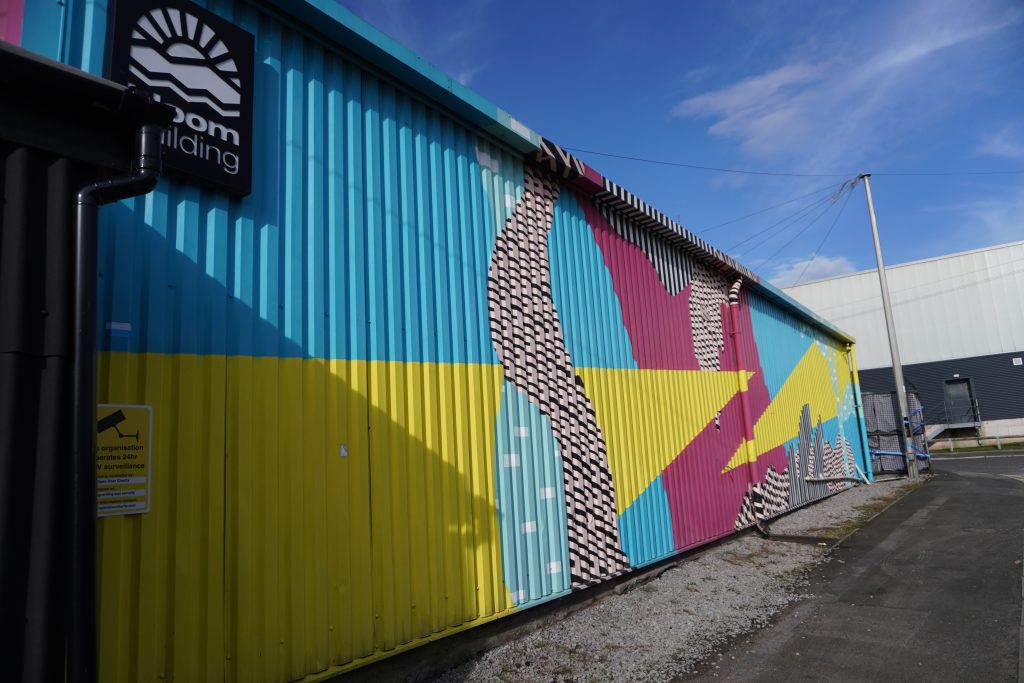
The move to Bloom – a larger building, industrial in style and more of a blank canvas in which Bloom’s bold aesthetic began to emerge – was, by Lee’s own admission, a huge risk. “The risk, when we moved in, on reflection, was absolutely astronomical. I think we had it around 12 grand in the bank and with three staff we moved in here.”
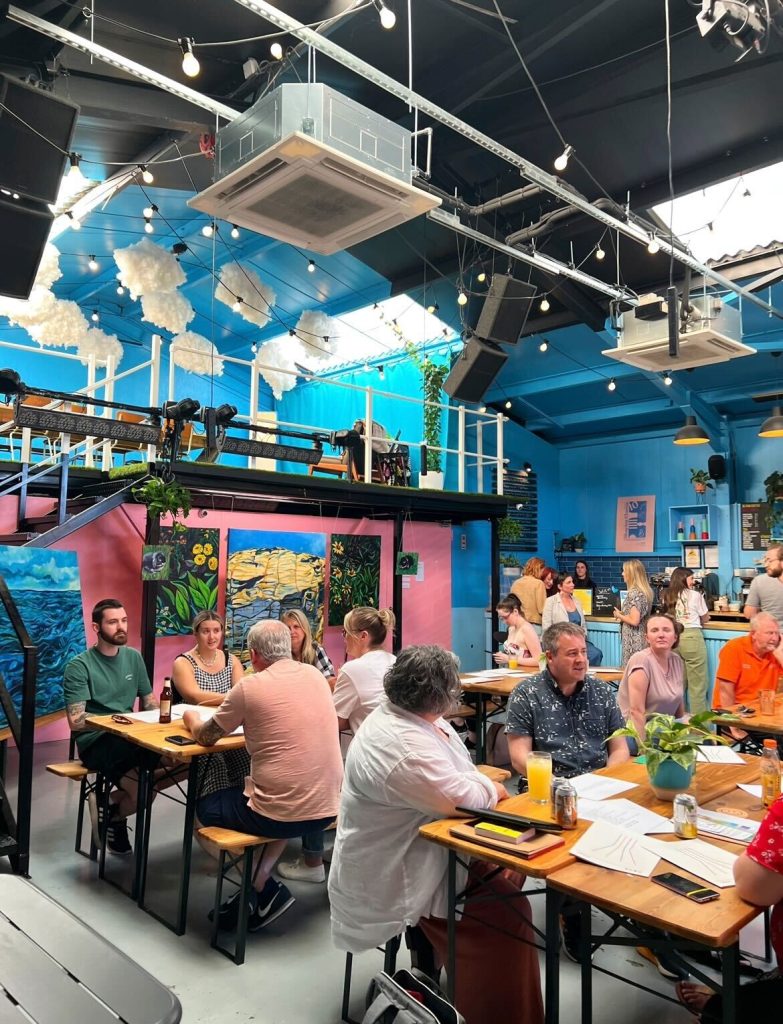
But Bloom became the making of Open Door – the vibrant environment wasn’t just a backdrop; it became part of the model. Bold, colourful, designed to feel like somewhere you’d want to be. “It fills me with pride and I think we’ve proven over 15 years or so what you can do with a good idea if you’re given the right platform and the right spaces. Bloom is really about its look and feel, isn’t it?” he asks. “When people talk about Open Door, it conjures up a picture of all of this – the boldness.”
Joy – and the case for owning your space
Now Open Door is on the move again. Joy is its biggest step yet – a building it will own, not rent. Over seven years at Bloom, Open Door has spent more than £250,000 on a building that was never theirs – Joy changes that.
But ownership brings new risk. The numbers are bigger and the stakes are higher. “The risks changed and all the numbers are bigger,” admits Lee. “We know that if the boiler needs fixing in a building that size, it could cost £25,000…” But what’s also changed is the confidence that comes from 15 years of evidence. “I just don't worry about how we would fill a space anymore…” he says. “We’ve proven that. People’s initial question is how are we gonna get people here? How are we gonna fill it? And in my life and my career and the life of Open Door, the opposite has always been true. You fill it far too quickly.”
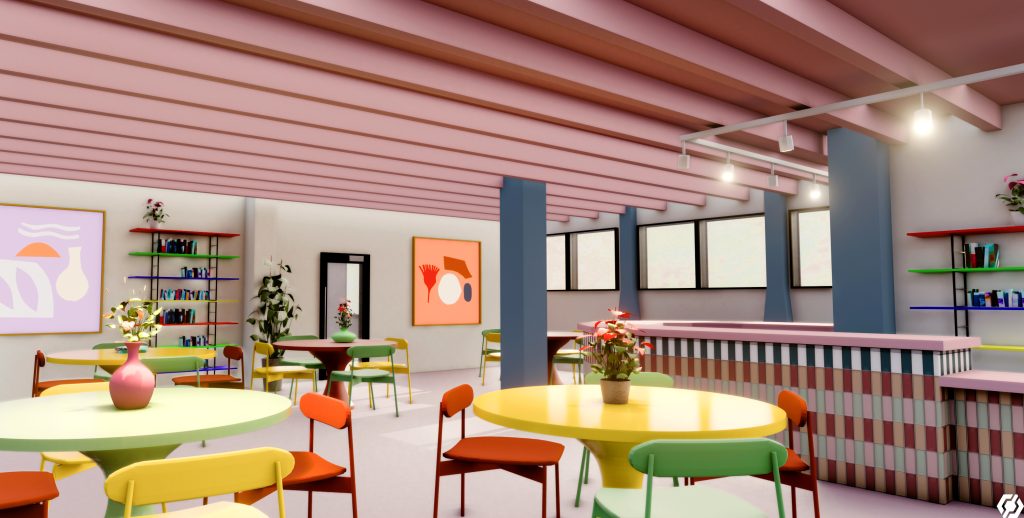
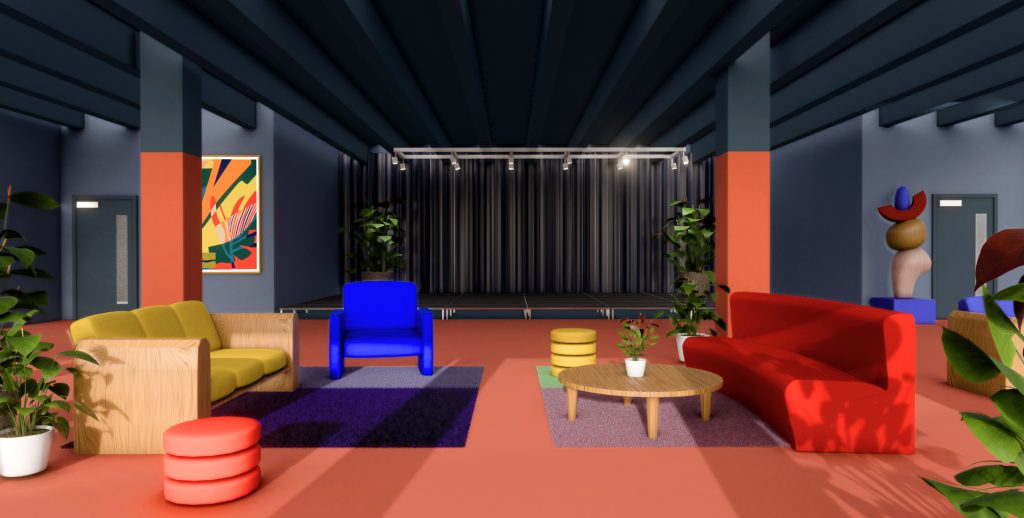
Joy is designed to extend Open Door’s vision across health and wellbeing more broadly – a building bright and loud enough to make you forget you’re walking into a mental health service. Lee says: “All we are doing with joy is make a building that is loud, proud, colourful, joyful, interesting – ultimately it’s designed to confuse you about what’s going on in there.”
More than anything, it’s about permanence. For the young people Open Door supports, having a home that isn’t going anywhere matters enormously. “That place where they feel comfortable – so important that they have a core,” he says.
Lee’s advice for those starting out is straightforward: “Start small,” he says. “You don’t have to leave your job tomorrow. Space matters – but it doesn’t have to come first. What comes first is the idea, the commitment and the willingness to find a way.” The space follows. And when the time is right, it can change everything.
Giving clothes a second life
Worn by Us was born from an unexpected place. When founder Nicola Gleave was diagnosed with breast cancer, she made a decision that would shape everything that followed. The diagnosis was out of her control – but how she responded to it wasn't. With a strong background in economic regeneration and a network built over nearly 30 years, she channelled that energy into something new.
The idea was simple: ask celebrities to donate clothing, sell it and use the proceeds to raise money and awareness for breast cancer charities. Nicola didn't know any celebrities – and it took her well out of her comfort zone. But the cause was bigger than the discomfort – and the response surprised her.
Celebrities donated. Then friends and acquaintances started coming forward too – people with beautiful, barely-worn items sitting in wardrobes, too good for the charity shop but never quite making it onto eBay. Worn by Us gave those clothes, and their owners, a better option.
From passion project to purpose-led business
For several years, Nicola ran Worn by Us without really treating it as a business. She collected clothes, sold them, gave the money to charity and talked about what she was doing. But she always knew there was potential to scale – and that scaling meant volume, sustainability and a commercial model that could support the social mission long-term.
That led her to start conversations with retailers about unsold stock. Most of it, she discovered, ended up with textile recycling companies buying job lots at rock-bottom prices and shipping palettes overseas – often because brands were anxious about their reputation and didn't want discounted stock on the high street. Nicola began building relationships with retailers willing to try a different approach, donating or commercially partnering to get stock into real customers’ hands, honestly and fairly.
Then COVID hit, conversations stalled and the pause gave Nicola time to sharpen the model. What emerged was clearer and more scalable than before.
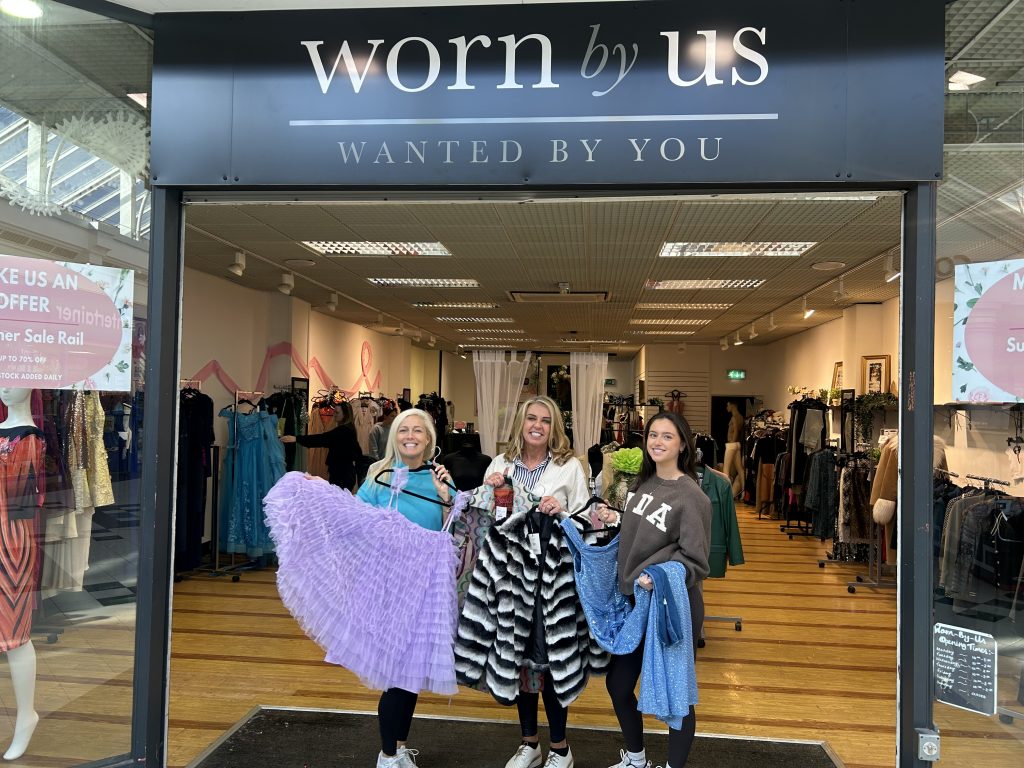
Now, Worn by Us offers a simple service, nationwide. If you have quality items that are gathering dust, you can get in touch, describe what you've got and Worn by Us sends a bag with a prepaid label. Send it back and they handle everything else – checking, photographing, listing, and selling across eBay, Vinted, their own website and their new physical store in Birkenhead.
That store has become the beating heart of the business. What started as a pop-up planned for just six to eight weeks has grown into a permanent fixture in the Pyramids Shopping Centre – a real catalyst for local trade and a genuine community space. A client in London might send in a beautiful coat; someone in Birkenhead buys it at a price they can afford –quality, branded clothing circulating in the local economy, putting money back into the community. The shop has also become, almost by accident, an informal hub – somewhere customers come to chat, where community consultation happens naturally over the rails.
Triple impact
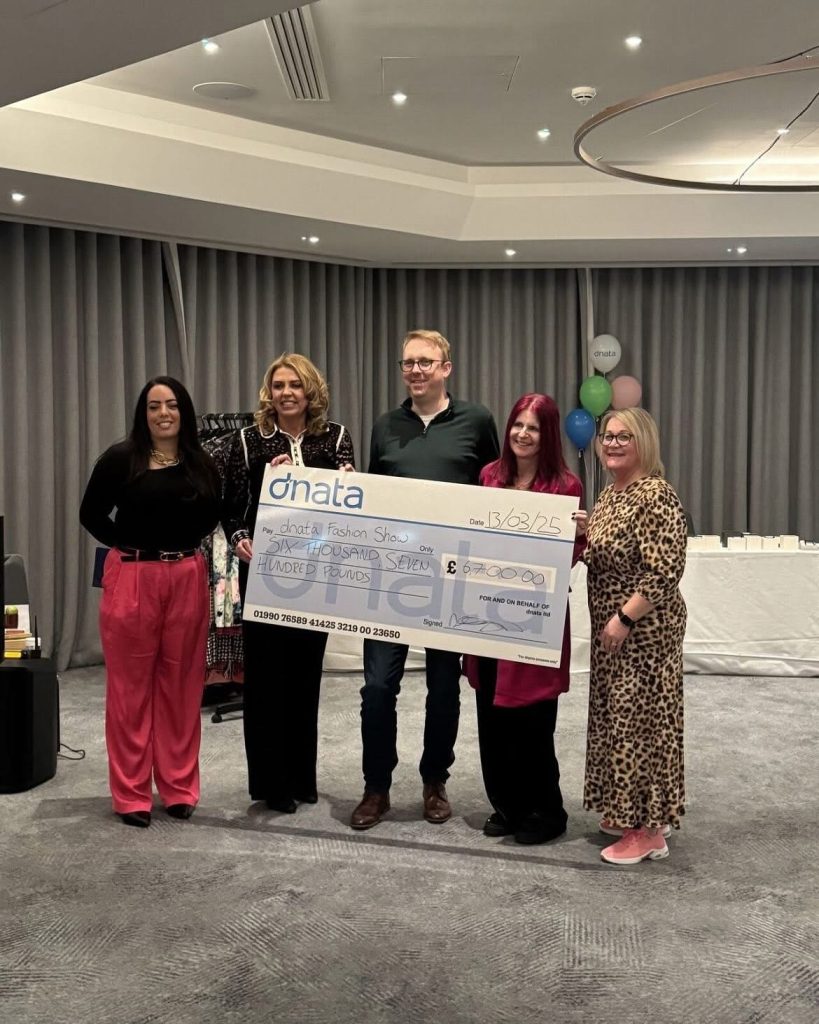
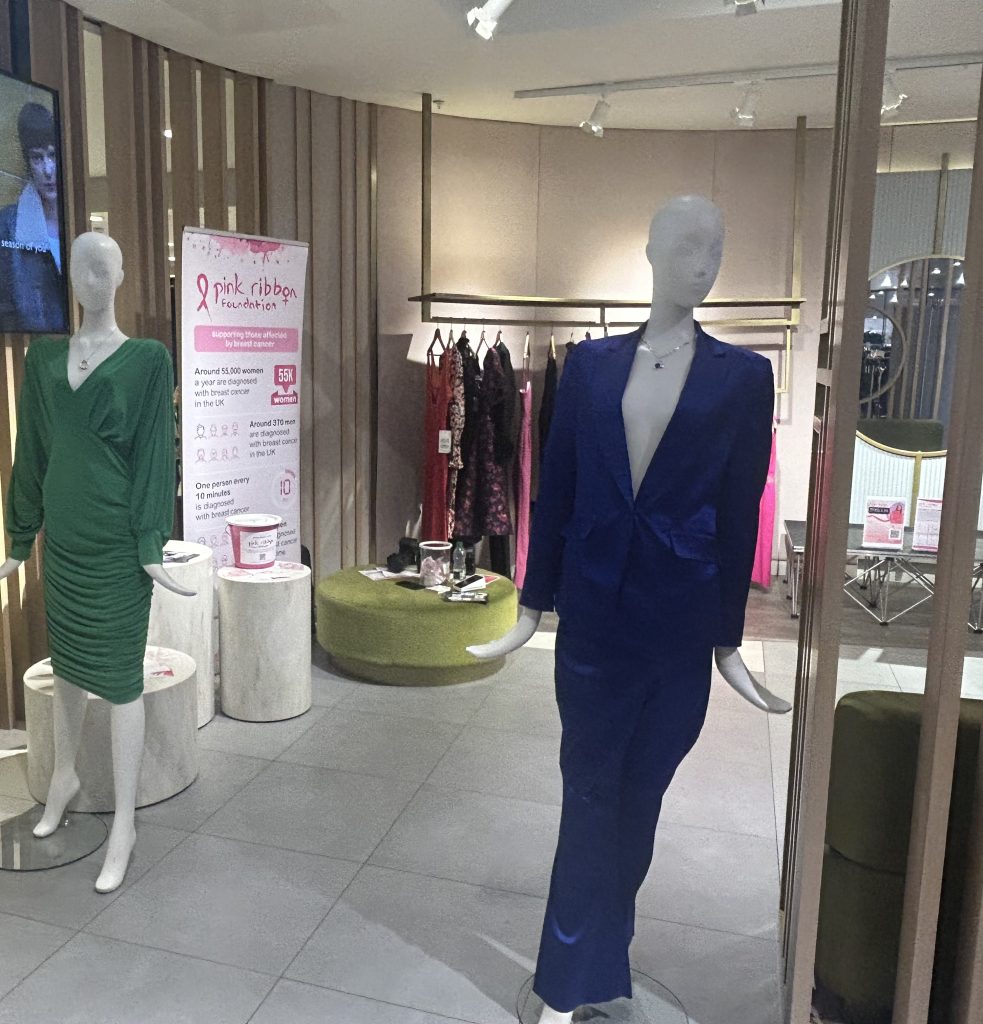
Worn by Us measures its impact across three connected areas: environmental, by keeping clothes in use longer and out of landfill; social, making quality and affordable fashion accessible in communities that are too often overlooked; and charitable, raising funds for causes including the Pink Ribbon Foundation. These three strands reinforce each other – and they’re all rooted in the same belief that fashion can, and should, do better.
Kindred's investment came at exactly the right moment, allowing Worn by Us to fit out the Birkenhead shop and turn a temporary pop-up into a real, welcoming retail and community space. Fittings, equipment and some wonderfully on-brand donations – including mannequins from River Island – came together to create something the local community could genuinely use. Funding also went towards social media and marketing support, helping more people discover the service, which brought a wave of collaborations with other local businesses, too.
Before Kindred, Nicola had spent nearly two years pursuing private investment, receiving consistently encouraging – and consistently frustrating – feedback: come back when you’re further along. Kindred felt entirely different.
Nicola pitched twice for her Kindred investment. The first time, she arrived with a pitch honed for private investors and quickly learned it needed to speak a different language. With support from the Kindred team, she refined her approach and came back stronger.
What struck her most wasn't just the practical guidance – it was the culture. “It was totally different to anything I'd experienced before, but in the most positive way. The help and support was there from the outset. It’s not a failure – it's a process,” she says. “There was a whole community of people rooting for you. You can talk openly about what worked, what didn’t, what went wrong.”
Kindred didn’t just invest money – it provided confidence, connection and a community that understood the journey.
A café rooted in place, community and purpose
When Nettle Café opened its doors in Port Sunlight, it was more than a new spot for great food – the social business signalled the arrival of fresh energy and new community connections in one of the Wirral’s most historic villages.
Within its first year there, Nettle has grown from two staff to 12 developed a network of local suppliers and begun to shape a new social hub. But behind the momentum, 27-year-old-founder Julia Strelczuk is honest and ambitious about the reality of running a growing socially-trading organisation (STO).
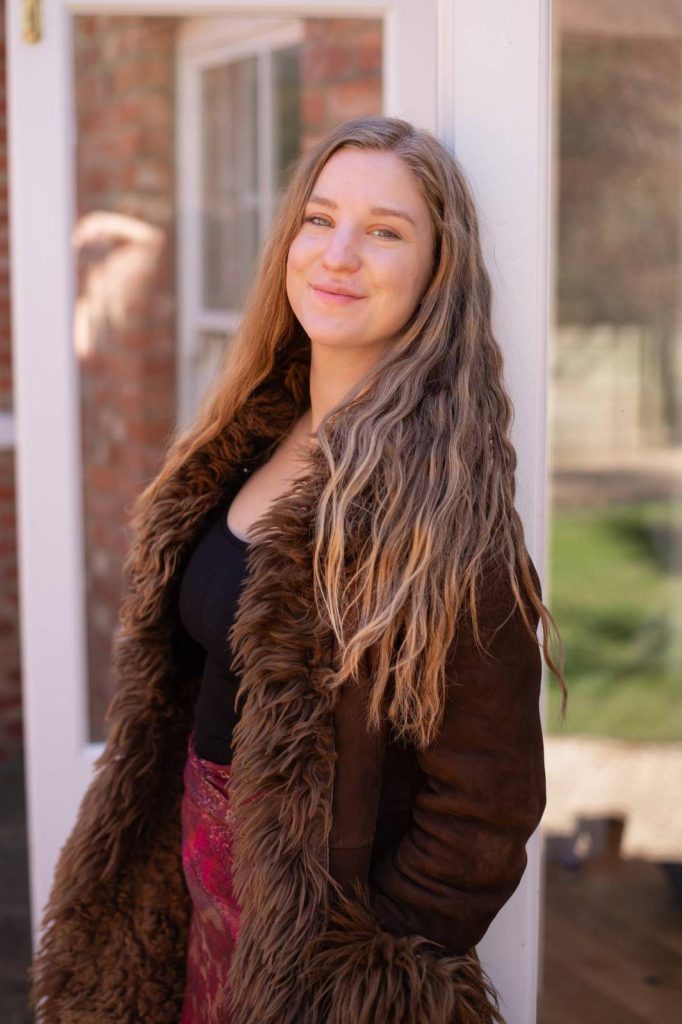
Julia describes the move to Port Sunlight as intentional, strategic – and serendipitous. “Port Sunlight was a very calculated decision. This place is perfect for a café. You could see the demand at the garden centre down the road,” she explains. “It’s really unique and gorgeous – perfect for my brand. I wanted to be closer to nature and this spot offered exactly that. A huge part of my decision was the team behind Port Sunlight. They’re really intentional about who they want here and how they build the village.”
A café with community at its core
From the beginning, Nettle was never just about food. It was about creating a place where people could gather, learn and reconnect. “You notice the absence of connection when there’s not shared space,” Julia says. “Third spaces give people somewhere to meet, talk, work and pause. It’s about far more than coffee. Even within our team, those small shared moments can make a real difference to morale.”
“February is when I want to kick off the social impact side of our work – collaborating with Grow Wellbeing, wood carving clubs and making it easier for local skill-sharers to teach what they do. We’ve got a herbalist, a fisherman, beekeepers.”
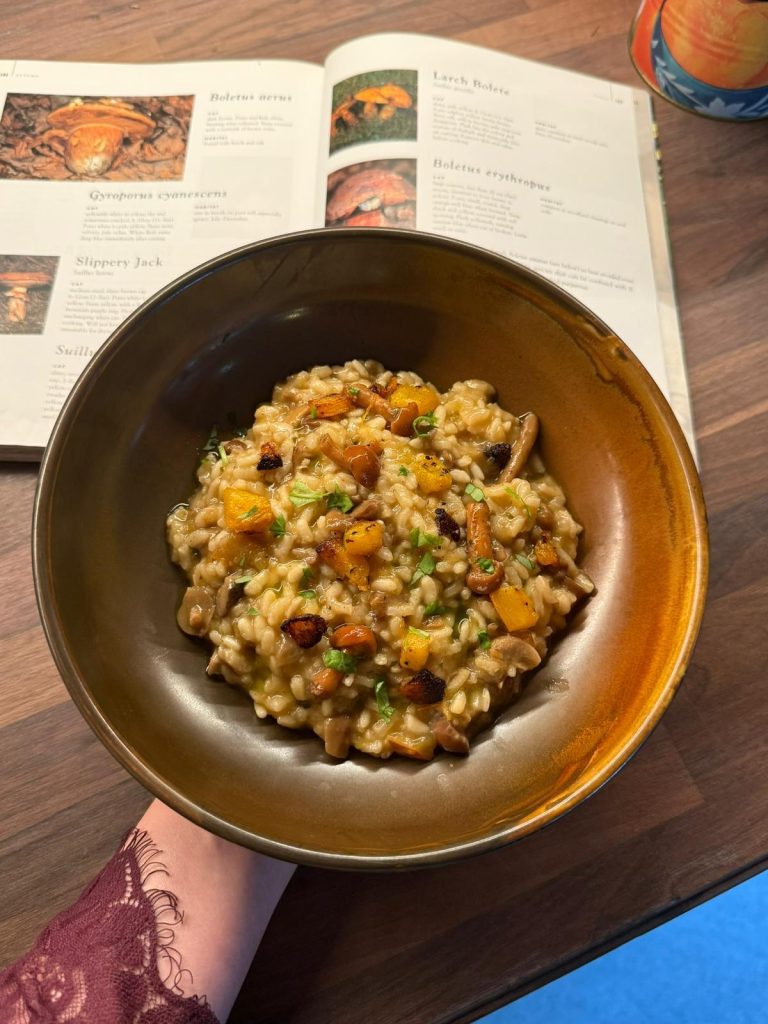
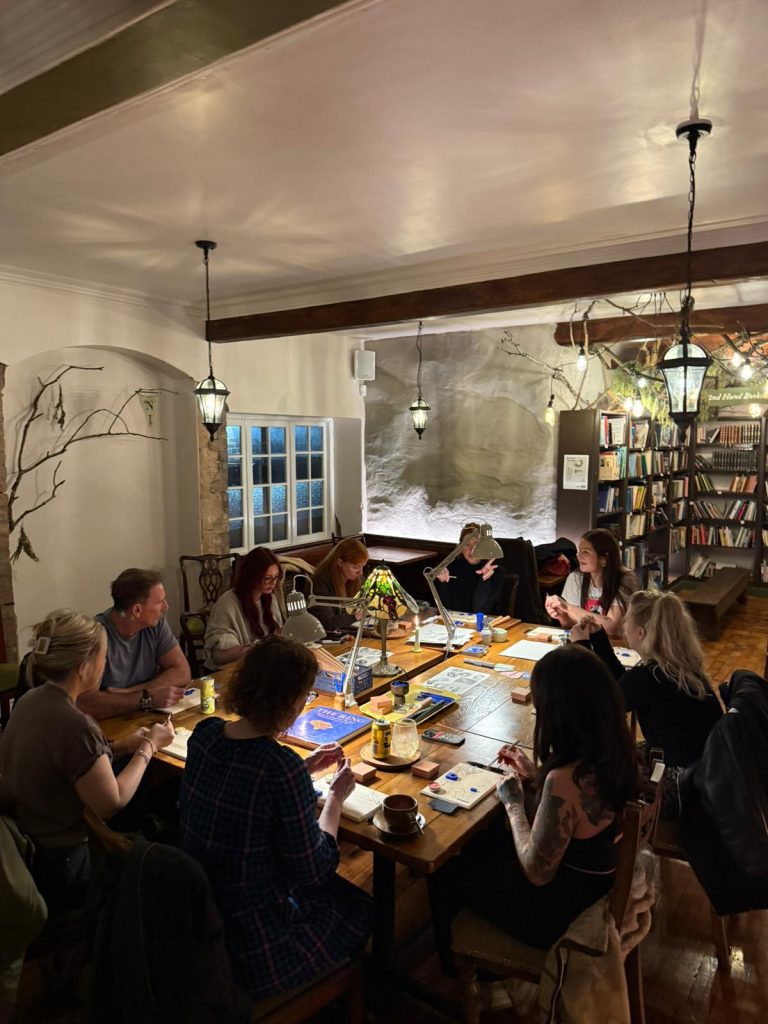
Nettle already offers free venue hire for local makers and therapeutic sessions. “Tomorrow we’ve got Amy teaching people how to make rings from scratch – 14 people sitting together for four hours, relaxing and making something by hand. A traditional, fading skill, coming back to life.
One of Nettle’s key metrics for measuring its impact is simple but powerful: How much space can it give away for free to create social value?
From Kickstarter to Kindred
Julia didn't set out intending to run a café. Her journey wound through filmmaking, cafés, banks and a difficult period with her health. Everything changed when she typed ‘nature jobs’ into Google and stumbled upon a ‘Kickstarter’ apprentice role at Grow Wellbeing. “That was pivotal,” she nods. “I didn’t even know what a socially-trading organisation was. It has helped me realise that my own health journey – finding healing through nature – could become something bigger: a business that does good. Turning a difficult chapter into a physical space that supports others has completely changed how I see that part of my life. I’m genuinely grateful for it now.”
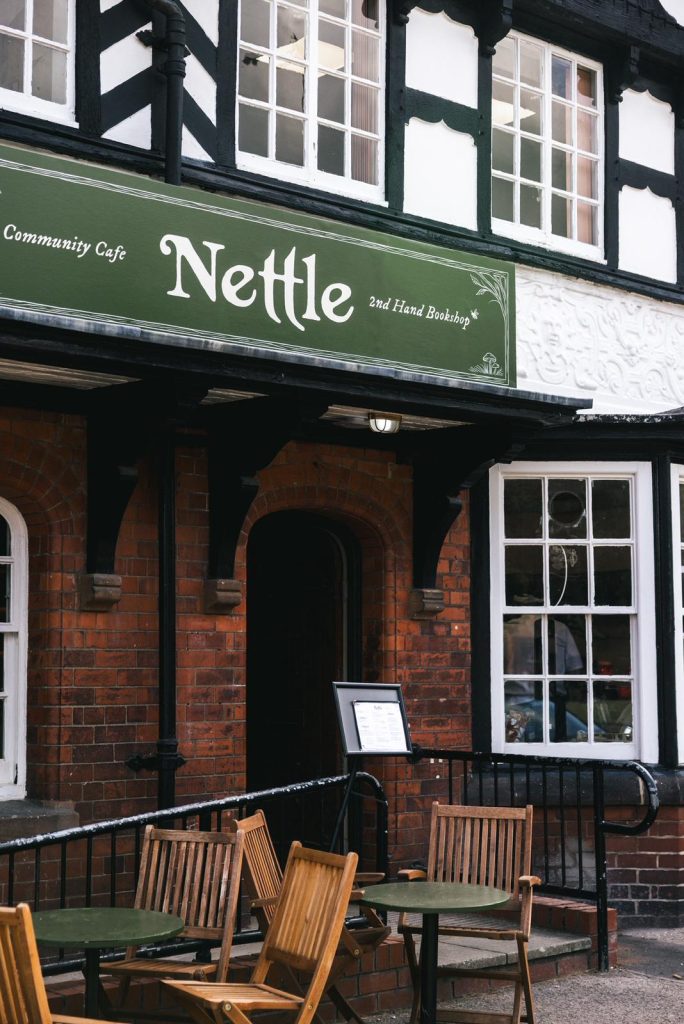
Now, she describes herself as the ‘granddaughter of Kindred’ – shaped by early exposure to STOs, mentoring and the community of businesses around her. And then the opportunity to run the café at Make Hamilton, where Grow was based, appeared. She started with almost nothing: “I was in my overdraft. I borrowed £1,000 from an ex-boyfriend. But I decided the worst thing that could happen was I’d get a normal job again.”
The low-risk model let her experiment, learn about margins, test menus and build confidence. “People kept coming back simply for fresh cooking,” she says. “Now our staff are trained to talk about our food, our farmers, our suppliers. People want to know the story behind what they’re eating.” When Make relocated to its new Argyle Street home she made the decision to close – and within half an hour, Port Sunlight came calling.
“It was probably one of the most difficult and stressful times,” Julia admits. But support came quickly. “I got a boost of confidence from Port Sunlight’s commitment to lending me money for the renovations and Kindred’s investment supported the move. I didn’t have anything confirmed when I started looking around – I just said, ‘I’ll figure the money out somehow.’”
Mentors helped her replace doubt with data: “Collecting as much data as possible eases the anxiety – seasonal patterns, customer behaviour, forecasts. Seeing it visually made me feel okay.” She also reached out to business owners – “people I barely knew” – buying coffees, asking questions, building a network. “Most of my friends are business owners now,” she laughs.
As the new café was approaching its launch, Julia joined Wirral Council’s Accelerate Wirral programme and was matched with a mentor. “Planning permission was delayed; there were problems with the meter; I was in charge of the electrics and the floor plans and it was bonkers. I really needed someone to speak to and it was so good to have that grounding element – to be able to talk about launch strategy,” she says. “I ended up paying for more coaching myself,” she adds.
Within a year, Nettle’s impact is already clear:
“Even though we’re so easily connected, we’re more disconnected than ever,” Julia says. “I’m hoping this helps a little.” And the business is working commercially too: “We make people happy and are profitable as well,” she says. She knows how important diversification is for the business: the bookshop, venue hire, workshops and a social media presence reaching more than 250,000 people around the grand opening.
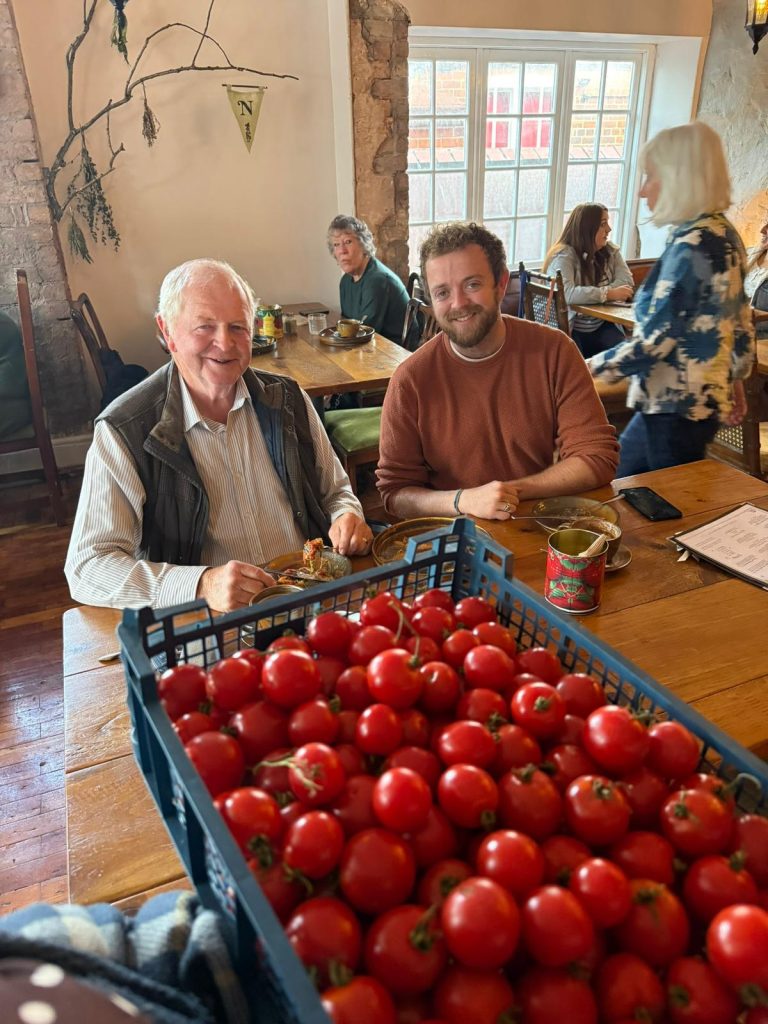
Julia is clear about the tension between momentum and sustainability. “There’s always the balance between going with the momentum you’ve got and making sure you don’t fall,” she says. “Founders take things so personally. I’m learning to rest – I literally have to book trips away or I’ll override any time I book off to relax.”
The future is full of possibility: more workshops, a larger skills programme and an upstairs studio ‘if things go to plan’. But the message she wants others to hear is simple:
“If I can do it, anyone can do it.”
For too long, dementia care has overlooked the cultural and social needs of the global majority. Families from Black, Asian and other minoritised ethnic backgrounds have found themselves navigating a system that often misunderstands them or excludes them entirely. One nurse, with over 35 years’ experience and deep personal insight, set out to change this.
Michelle King began not as a business leader, but as someone driven by compassion and lived experience. “Having done some work in the Liverpool area, I heard, witnessed and was involved first-hand with the experiences that people shared with me – the feeling of being let down, the mistrust in services that are meant to protect them,” she says.
With her first Active Minds dementia day centre already open in Crosby, she was determined to offer something complementary to the reputation she had established – and different from existing facilities in central Liverpool: care that recognised culture, respected lived experience and built trust. But bringing this vision to life required more than passion – it needed the right support, networks and investment.

Through her role as an advisory board member at Liverpool City Region’s Race Equality Hub, Michelle connected with Innervision, joining its business support programme, led by BlaST director Joanne Anderson. “It’s been absolutely amazing. Within a year – the networking, the coaching, the training sessions – there was no holding back,” she smiles.
Through the programme, she was introduced to BlaST and Kindred and met Erika, Adele and Nicola. Initially, the idea of taking on investment was daunting. “I was very apprehensive about investment – I’ve never taken investment in my life. The fear, and apprehension. What if this goes wrong?” she says.
Kindred’s mission is to increase the impact of the social economy across Liverpool City Region, and Michelle’s work addresses a critical gap in dementia care, with clear impact. Nationally, nearly one million people are diagnosed with dementia, yet ethnic minority communities remain vastly under-diagnosed. “In Liverpool, there are about 42,620 people. The dementia register with the Memory Clinic has 4,000 people, but not one person is from an ethnic minority background,” she explains. This is despite research showing that dementia rates in Black communities are 20% higher than in white communities.
Barriers range from communication gaps and cultural misunderstandings to a historic mistrust of healthcare systems. “They walk into a GP surgery and are often dismissed. Or they are told ‘nothing is wrong with you’. People don’t follow up. So this constant rejection has made the community withdraw.”
Michelle’s approach is holistic: providing therapy through interaction, cognitive stimulation and community connection rather than defaulting to medication. “Our communities don’t want to be bombarded with anti-psychotics or dementia drugs that have never been tested on them.

“What they want is therapy: cognition, interaction, engagement,” she says. Through patient, transparent guidance from the Innervision, BlaST and Kindred teams, Michelle’s confidence grew.
“They instilled confidence in me, helped me understand what a cash flow is, how you put it together. Erika worked with me, and Ryan. The positive support was incredible. There was such a big trust that I developed with Kindred – I felt transparency, very honest. The wraparound support was still there. And there was no pressure.
“The bigger benefit from investment is 0% interest. They were very clear as to how the payments would be taken. Everything was explained in such a manner that it was a win-win situation. There was no way I was backing out.”
But this was about more than finance. For Michelle, the partnerships gave her a network she could rely on – something that had been missing in her previous experiences of professional isolation and discrimination. “I was lonely, I was isolated,” she says. “I found there is so much support, but communication is disjointed and it can be hard to identify it. Since I’ve started, there’s no holding back.”
Beyond dementia care, the centres also provide respite for carers, addressing loneliness, burnout and social isolation. “It’s about enhancing the quality of life for everybody concerned, no matter what community or background and allowing carers to have a life of their own,” says Michelle. The first Active Minds Centre opened in 2018, proving the concept worked. Michelle had a model that communities trusted and valued. With the support of Innervision, Kindred and BlaST, she took the leap to expand her vision.
In May 2025, Michelle received social investment from Kindred to open the second Active Minds centre – and she has plans for seven more across Liverpool City Region: “Change is going to happen,” says Michelle.
