
The right space: Open Door’s journey from a small shop to Joy
When Lee Pennington founded Open Door in 2011, he wasn’t thinking about buildings – he was thinking about people. But the Birkenhead-based mental health service has become nationally renown not just for the innovation of its services, but for the boldness of its space and knack for using arts and culture as catalysts for change.
The idea came from personal experience – anxiety Lee never felt before, a close friend’s loss, and a growing conviction that what young people really needed wasn’t a clinical leaflet but someone who genuinely knew what it felt like. “I’d exhausted plenty of other job options,” he admits. “But I really felt like I’d make a really good person to sit with and talk to someone to say, ‘don’t worry about it, it’s gonna be okay. Just do these things and you’ll feel okay’. I knew what it actually feels like rather than the signs and symptoms that are written down or stuff. I thought, ‘if I can prevent families living through the horror of suicide, that would feel amazing.’”
He took that idea to the Job Centre and was turned away, so applied to the National Lottery instead, who also turned him down. But he kept on knocking on doors with a plan to provide free immediate access to creative therapeutic support for like young people and young adults who were depressed or anxious or stressed or panic attacks. And then, with £29,440 from the Fair Share Trust, he set a modest target: support 50 people in a year. “My expectations were low but I thought ‘even if we can prevent prevent one person from killing himself out of that 50, we’ll have made a difference…’ I still feel like that now and, because we’ve gone so far past that, it really feels like we can shoot for the stars.
“I guess I felt like I had to do it, in terms of where my life was at. But if someone have given us £5,000 rather than £30k and we couldn’t have a premises, I would have found a different way to do it. I needed to. I’ve committed and I want to do this thing – the space didn’t come first, it came second. And, once someone’s said they’ll support you, you’re accountable to them.”
Starting small
The first space was a small shop in Liscard, on the Wirral. “I knew that it had to be in Liscard, where I was living…” says Lee. “And I wanted it to be small, so it didn’t feel empty.” The logic was simple – if nobody came, it wouldn’t feel empty. But they did come and have kept coming ever since. “Mental health has become the biggest conversation in the world since we opened,” he admits.
What Lee built wasn’t a traditional mental health service. From the start, Open Door was designed to feel different – peer-led, creative, rooted in music and real life, with volunteers who’d been through it themselves. No waiting lists or clinical corridors. “It’s the most normal thing as well, isn’t it?” he asks. “The most common sense thing in the world.”
For seven years, the Liscard shop was the place for community to meet, ideas to develop and relationships and contracts to grow. Then Open Door’s need outgrew the space – its reputation had grown, but without the income to move, they were stuck.
The funding trigger
The turning point came through commissioning. Lee spent years attending the right meetings, building relationships and waiting for the right moment to act. When a contract for adult talking therapies came up, it became the trigger for a move. Three years, £50,000 a year – enough to grow significantly, but impossible to deliver from a small shop.
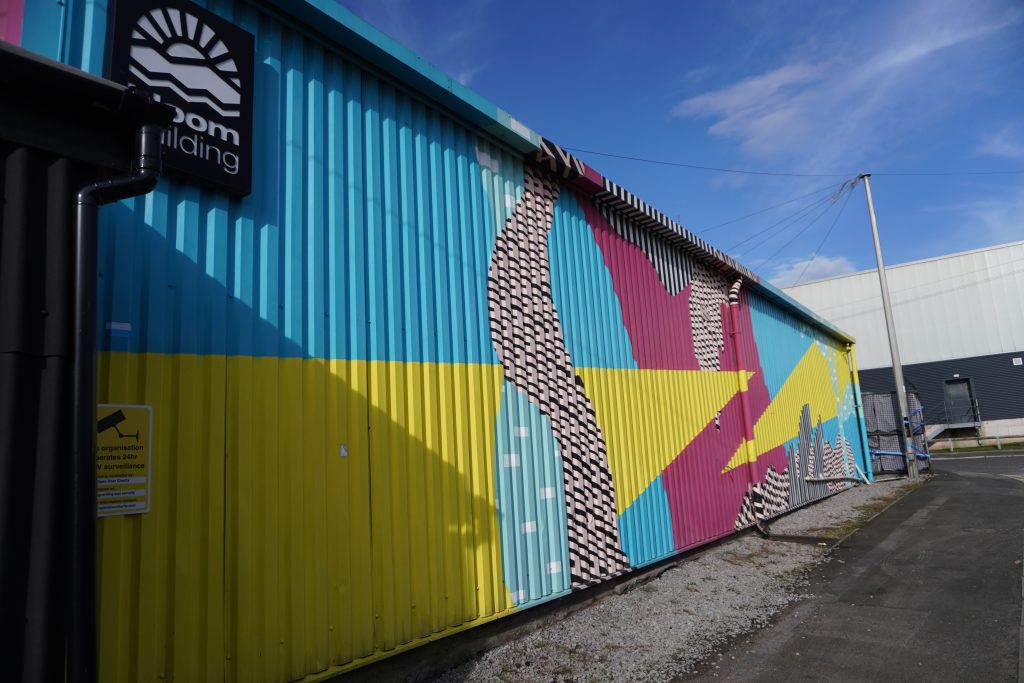
The move to Bloom – a larger building, industrial in style and more of a blank canvas in which Bloom’s bold aesthetic began to emerge – was, by Lee’s own admission, a huge risk. “The risk, when we moved in, on reflection, was absolutely astronomical. I think we had it around 12 grand in the bank and with three staff we moved in here.”
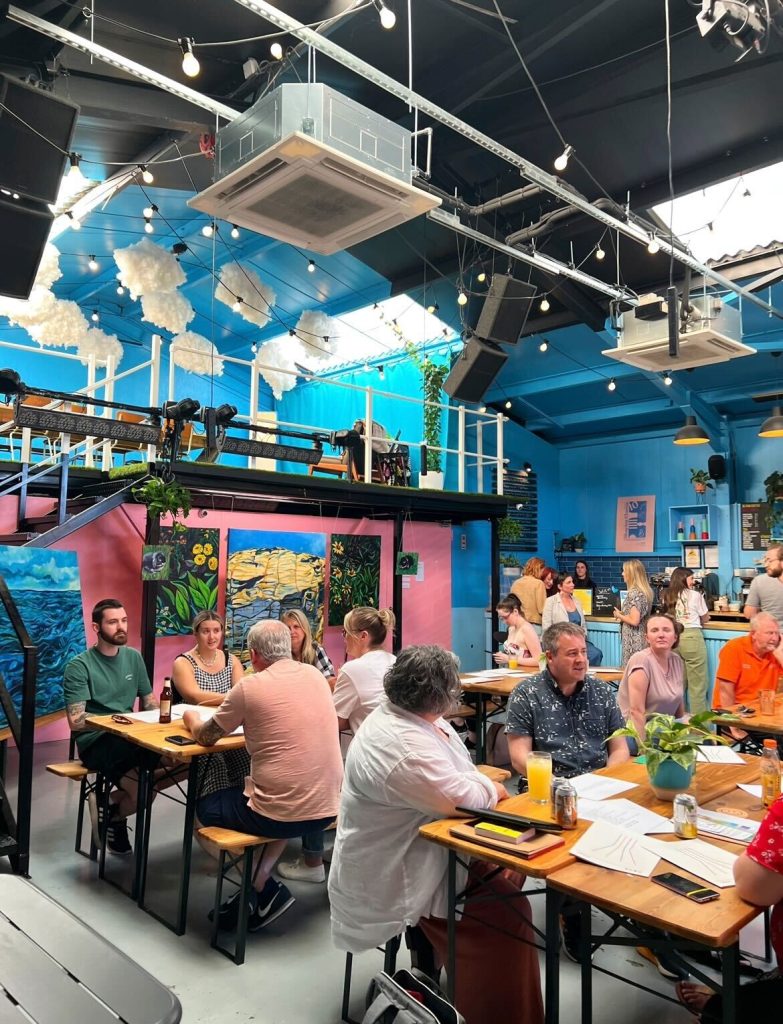
But Bloom became the making of Open Door – the vibrant environment wasn’t just a backdrop; it became part of the model. Bold, colourful, designed to feel like somewhere you’d want to be. “It fills me with pride and I think we’ve proven over 15 years or so what you can do with a good idea if you’re given the right platform and the right spaces. Bloom is really about its look and feel, isn’t it?” he asks. “When people talk about Open Door, it conjures up a picture of all of this – the boldness.”
Joy – and the case for owning your space
Now Open Door is on the move again. Joy is its biggest step yet – a building it will own, not rent. Over seven years at Bloom, Open Door has spent more than £250,000 on a building that was never theirs – Joy changes that.
But ownership brings new risk. The numbers are bigger and the stakes are higher. “The risks changed and all the numbers are bigger,” admits Lee. “We know that if the boiler needs fixing in a building that size, it could cost £25,000…” But what’s also changed is the confidence that comes from 15 years of evidence. “I just don't worry about how we would fill a space anymore…” he says. “We’ve proven that. People’s initial question is how are we gonna get people here? How are we gonna fill it? And in my life and my career and the life of Open Door, the opposite has always been true. You fill it far too quickly.”
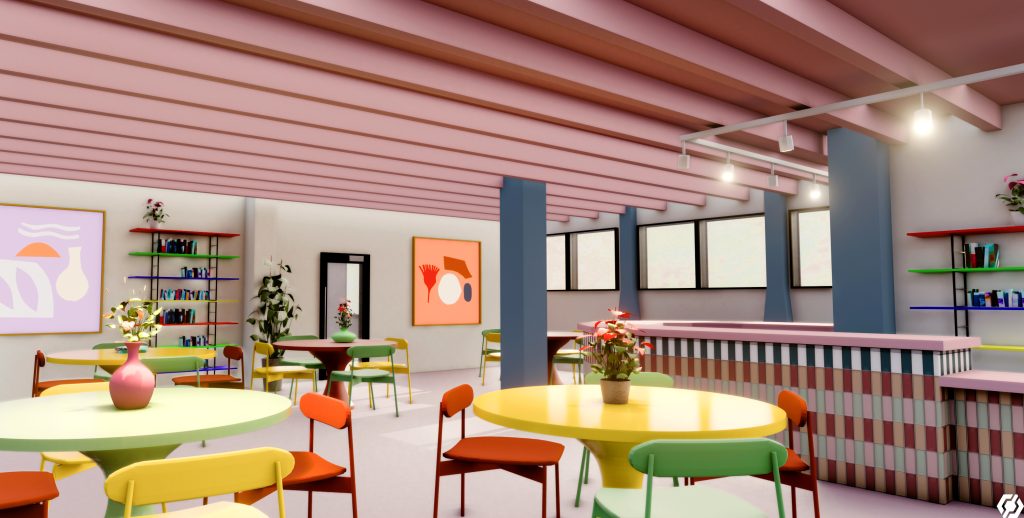
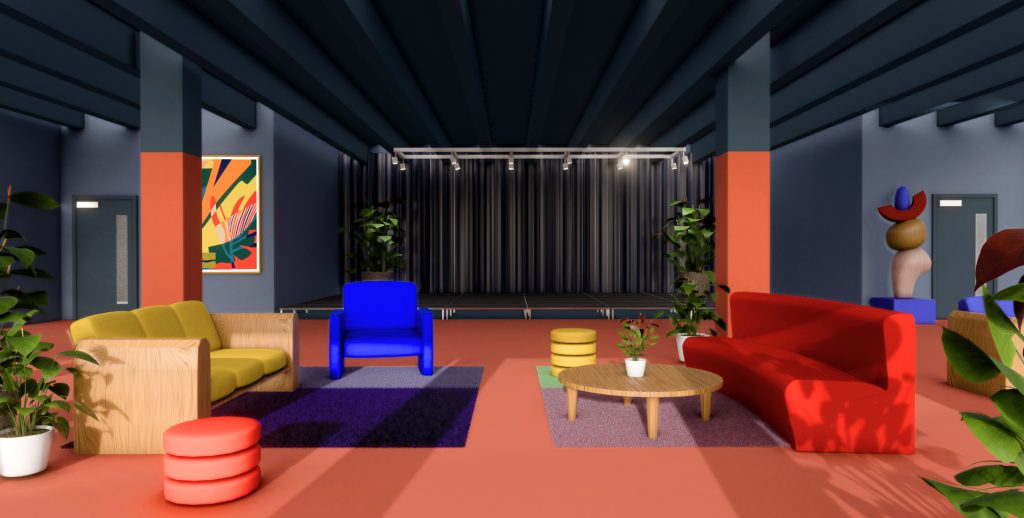
Joy is designed to extend Open Door’s vision across health and wellbeing more broadly – a building bright and loud enough to make you forget you’re walking into a mental health service. Lee says: “All we are doing with joy is make a building that is loud, proud, colourful, joyful, interesting – ultimately it’s designed to confuse you about what’s going on in there.”
More than anything, it’s about permanence. For the young people Open Door supports, having a home that isn’t going anywhere matters enormously. “That place where they feel comfortable – so important that they have a core,” he says.
Lee’s advice for those starting out is straightforward: “Start small,” he says. “You don’t have to leave your job tomorrow. Space matters – but it doesn’t have to come first. What comes first is the idea, the commitment and the willingness to find a way.” The space follows. And when the time is right, it can change everything.